Pinterest

Showing posts with label black. Show all posts

Tuesday, May 21, 2013

The Benefits of Black Mulch


It's about that time for me to be thinking of transplanting all my tomato and pepper seedlings.  May 20 is our frost free date, so we are pretty much in the clear from frost.  However, just because frost is not a threat cold night time temperatures still are for these heat loving plants.  We've just had a series of 80+ degree days but all that is about to change as a cold front is moving in bringing cooler weather and 40 degree nights as well.

Not to daunted however, I am planning on "cheating" the cold temperatures by using a black mulch on the garden for my tomatoes, peppers and eggplants.  Even if daytime temperatures are nice, these plants like warm soil as well.  Black mulch does the trick.  I will lay the mulch down a good week ahead of planting as I am also trying to avoid surprise spring hailstorms.  I have found that giving the tomatoes the best soil conditions to start in predicts their outcome more than getting them in too early and watch them struggle to thrive. 


 Why mulch?  This is a great question...why should we even bother doing this in the first place?  Mulching certainly has its advantages that make it definitely worth considering.  There are many options when it comes to mulch, like straw, hay, coffee grounds, and other organic materials.  While we use a mix of these materials ( I have sawdust on the paths in the photo above), I want to look especially at this one particular kind.

1. It Warms Up the Soil.  Like I mentioned previously, mulch...specifically black, will warm up your soil temperature providing you with an earlier harvest - anywhere from 7-14 days earlier! (1)  Let's face it.  These Mediterranean plants LOVE the heat and black mulch is a huge help for our summers in Northeast Ohio.  Especially during a cool, wet summer...the mulch helps to give the plants the extra warmth they need to be nice and productive.  Straw, hay and other types of light colored mulch actually cool the soil so you'll want to consider this when choosing a mulch that matches your plants growing conditions.


2.  The Mulch is Moisture Retentive.  I like to use landscape fabric for our mulch as it is water and air permeable yet holds in the moisture too. This is a huge plus for a dry summer or if your area is in drought.  It's another great measure to protect your all important seedlings to make sure you enjoy a premium bounty of fruit.

 3.  It Serves as an Excellent Weed Control.  It's more work to put down the mulch, but it saves LOTS of time later by not having to weed your plants.  There will be a few weeds that poke through the plant holes, but unless you are fighting an especially aggressive weed, black mulch really cuts down on this issue.  I would actually mulch my plants for this reason alone because it's such a huge timesaver in the garden.


Other Benefits of Black Mulch:

1. Minimizes nutrient leaching by shedding excessive rainfall.

2. Helps keep the edible portion of vegetable crops clean, especially pumpkin and other fruiting vegetables.

3. Helps to prevent the transference of soil borne diseases from being splashed up onto the plant.

I have found black mulch to be invaluable in our home garden AND our Community GardenWe've grown tomatoes with and without it and the mulch makes a huge difference in what the fruit looks like and how much we get.  It's a true garden help.

There are a few disadvantages mostly dealing with the cost of the materials and the time to lay it down.  I often find my fabric, if heavy duty, will last more than one season.  Otherwise, we pay about $15-$20 for a roll that covers most of our small garden space.  We use other more economical mulches that we have around the yard for other areas of the garden and save money that way.

Photo Source
.
If you're a beginning gardener or haven't tried using black mulch on your tomatoes, peppers, eggplants as well as squash and melons; here's hoping you'll consider trying it this year and see if it makes a difference in your growing region.  

Blessings!!


References:

1. http://www.extension.org/pages/65191/synthetic-mulching-materials-for-weed-management
2. http://pods.dasnr.okstate.edu/docushare/dsweb/Get/Document-1099
3. http://www.hort.uconn.edu/ipm/veg/htms/colrmlch.htm

Linked to these amazing blog parties!!  Waste Not, Want Not Wednesday
Wildcrafting Wednesday Farmgirl Friday
Living Green Tuesdays The Backyard Farming Connection Hop
Tuesday Greens Wicked Good Wednesday Linky Party
Frugal Days, Sustainable Ways Seasonal Celebration Wednesday

Tuesday, January 15, 2013

The Health Benefits of Tea


 What's one beverage that costs pennies per cup and is full of antioxidants and health benefits as well?   You can find it everywhere and tastes great?  Look no further than your simple glass of tea...black, green, or somewhere in between, this centuries old plant has been providing leaves of wholesome goodness for past and present civilizations.  It tends to get lost in our coffee drinking culture (I love coffee myself) but will hopefully be coming into the limelight even more as we discover just what a gem of an herbal this is!

Tea is not a wonder cure-all like many health claims out there try to boast.  It has been said to help everything from a cold to cancer.  And while most studies are very promising about its benefits, you'll find conflicting studies as well.  So I wanted to wade through all the information and get an understanding how tea can be a beneficial tonic, not a miracle cure, but a valuable drink to include in your daily diet. 

 "Camellia Sinensis."  Sounds like a character from the Lord of the Rings, but this is the latin name of the tea plant which is primarily grown in the eastern regions of the world including China, Japan, India, Sri Lanka (known for it's Ceylon tea) and Taiwan.  It's also grown in other locations, but these locations are called the "Big Five" because of their exceptional quality.


The tea plant is actually a cultivated evergreen which is usually trimmed to keep it's height below 6 feet.  If left to grow wild, it can reach up to 30 feet.

All forms of tea, black, green, oolong, yellow (not common in the U.S.) and white are all the same leaf.  They are processed differently.  Black tea is made by allowing the leaves to ferment which causes them to turn dark, while oolongs are partially fermented and greens are not fermented at all.  White teas are generally leaves picked at earlier times in the season and therefore have a much lighter flavor and color.  They are not fermented either.  

"Camellia Sinensis" (Photo Source)
You've probably seen some articles out there about the tea plant and the benefits they have for your health.  I've read them too and even though the claims do vary, tea is definitely an undervalued herbal health tool.  It's also economical and delicious...and that makes for a great natural health remedy.


Before we start, let's understand that all tea varieties, black, green, oolong and white, all have tremendous health benefits.  Green tea is supposed to offer a few more of it's own because the tea leaves haven't been oxidized or fermented like black tea.  However, if you only ever drink black tea, know that these health benefits are still very much present in the tea leaves.

1. All forms of tea are rich in flavonoids and  the antioxidant, "polyphenols".  They have been shown to have 10 times the amount of antioxidants in fruits and vegetables. What do these antioxidants do?  Basically, they look for cell-damaging free radicals and detoxify them.
What does this mean for our health?  "These antioxidants block DNA damage associated with tobacco and other toxic chemicals."1  This means that tea can help prevent against certain cancers in our body!  

What else does this mean? They also help protect against cardiovascular disease.  "The detoxifying effect of these antioxidants protects cells from free radicals, the damage that can lead to blood clot formation and atherosclerosis."2

"The bulk of research shows that regular tea drinkers, people who drink two cups or more a day, have less heart disease and stroke, lower total and LDL (often called "bad") cholesterol, and that they recover from heart attacks faster." 3

 This includes both black and green.  This was news for me as green tea is always being touted as the better tea of the two.  But according to an interview by WebMD with John Weisburger, PhD, senior researcher at the Institute for Cancer Prevention in Valhalla, N.Y., "In my lab, we found that green and black tea had identical amounts of polyphenols,"4  Which means drink whichever tea you like, they are all found to have lots of antioxidants.


2. Tea helps you to be  in a state of "calm alertness." 

Because the caffeine in tea is water soluble, the body is able to digest it easily and pass through your system quickly.  This is unlike coffee where the caffeine is not water soluble and stays in your body much longer leading to sleeplessness at night if consumed late.  Yes, there is less caffeine in tea as well so you can drink more of it without too much caffeine consumption if you're trying to avoid it.  (Info from "A Guide To Tea" by Chris Cason)

A good strong cup of English Breakfast or Irish Breakfast black tea in the morning is a good pick-me up if you need to wake up but won't stay too long in your body if coffee gives you "the jitters."


3. Tea is also reputed to help with digestive complaints. 

It seems tea is an old home remedy to help out with some of these mild digestive orders. It's supposed to be helpful in easing Irritable Bowel Syndrome because all teas contain some anti-inflammatory properties.  So, if the digestive disorder has to do with inflammation, tea having some "calming" properties should be of help. 

4. Green tea is found to contain fluoride and is helpful in preventing cavities.  

 "Green tea contains compounds that appear to control inflammation and fight bacterial infection." 5
"Green tea’s anti-inflammatory powers seem to help control periodontal (gum) disease. A Japanese survey of almost 1,000 men found that those who drank green tea regularly had healthier gums than those who didn’t. A German study found similar positive results in people who were asked to chew candies containing green-tea extracts." 6
 So, have your kiddos brush their teeth AFTER they drink their favorite cup of tea...decaf of course!


Some Important Things to Consider: 

1. The health studies for tea seem to be varied and sometimes contradictory.  But all in all, tea has been consumed by the Chinese and Japanese for centuries and the civilizations have acknowledged the benefits of tea through their own usage.  It sometimes takes science to catch up with such years of experience.

2. Tea is not meant to be a cure-all.  When drinking it for your health, an overall healthful lifestyle needs to be lived.  Think of it as a tonic instead of a cure but a great beverage that contains some vitamins and healthful properties that can be good for your body.  All of teas benefits are not yet understood, so drinking it is a great alternative to the sugar and chemical filled drinks out there, especially when dining out. 

3. Tea is a great beverage to introduce to your children.  In the age of sugar laden sodas and energy drinks, tea is a great alternative.  Our kids drank herbal teas out of the their bottles and sippy cups and soon were introduced to mild green teas as they grew older.  This has helped them to stay away from these other harmful drinks.   With so many different varieties of tea, they each have their own favorites and have introduced their friends to gourmet tea as well. (They will drink soda, but they do a great job in limiting how much they drink and they don't get it very often.)

4. Tea bags contain these aforementioned health benefits but are usually made from what they call "tea dust" in the industry.  If you enjoy tea, you may want to explore the wonderful world of loose leaf tea as the flavors will have you coming back for more! 

5. Tea sold in bottles is usually made from a concentrate and LOTS of syrup.  I've tried them and basically they are (in my own opinion) not tea, but sugar water.  They do NOT have the same health benefits as brewed tea.  Our Subway restaurants carry brewed tea that is unsweetened as well.  This way you can control how much sugar you put in your own tea.

This is just a little bit of information of the benefits of tea.  New studies come out daily showing how helpful they can be.  Tea may not be a wonder cure-all, but it's definitely a great beverage to drink on a daily basis.  Served hot or cold, it's delicious and I know it's helping my body and not harming it.  

What's your favorite tea to drink?  Blessings!


Interested in more posts on tea?  Check out these other links...Three Reasons Why to Buy Bulk Loose Tea and Reviewing My Favorite Tea Steepers

Resources: 

http://www.webmd.com/food-recipes/features/antioxidants-in-green-and-black-tea(1,2,3,4)
http://www.teabenefits.com/
http://www.biodiversityexplorer.org/plants/theaceae/camellia_sinensis.htm
http://qtradeteas.wordpress.com/2011/08/15/where-does-tea-come-from/
http://www.livestrong.com/article/463257-does-tea-help-digestion/ 
http://www.besthealthmag.ca/get-healthy/oral-health/5-ways-green-tea-is-good-for-your-oral-health  5, 6


Linked to these amazing blog parties... Waste Not, Want Not Wednesdays
Wildcrafting Wednesdays Seasonal Celebration Wednesday  
The Country Homemaker Hop  
Frugal Days, Sustainable Ways
The HomeAcre Hop!  Natural Living Link-Up
Small Footprint Friday Farmgirl Friday Blog Hop
Homestead Barn Hop Living Green Tuesdays  Simple Lives Thursday

Monday, December 17, 2012

3 Fool-Proof Ways to Cook Dried Beans


Cold weather in our area means lots of soups and stews featuring pintos, black, limas, garbanzos, navy and great northern beansYep, lots of beans.  But having incorporated lots of these protein rich gems into our diet, I had to rethink the can and visit the world of dried beans. After all, when you cook your own beans, they are much more economical AND you control the amount of sodium that is in them.  I tend to use a light salt (half salt and half potassium) to control the amount of sodium.  You have no choice when buying the canned beans.
But how do you cook them so they are firm and meaty, not mushy or too crunchy?  A great question, and one I'm here to talk about.  I love cooking dried beans and once you master a few basic methods and understand how they cook, it's easy to produce large amounts of beans to cook with and extra to freeze.  Remember, lentils and split peas have short cooking times and don't require pre-soaking, so this post will be about pintos, black and large limas.


 Let's start with a few dried bean basics.  First of all, make sure to rinse your beans well and sort through them.  I have actually found bits of debris that I would NOT want to eat so you won't want to skip this step!.The actual cooking part it pretty easy and I've found three foolproof ways to cook them that work well and which one you choose depends on how much time you have, what equipment you own and how much you want to make.  They all work well and have their advantages.  So I encourage you to try the easiest one for you. 

#1 Long-soaking Method Stovetop:  This involves thinking ahead so you'll want to clean your beans and then measure out how many cups of beans you'll be needing.  You will get about 3 cups of cooked beans from 1 cup of dried.  When cooking beans this way, it makes sense to cook a large batch.  Some to use now and some to freeze for later as they freeze quite well.  The larger the beans (like the large limas) will require longer soaking times. Large lima beans can soak for up to 24 hours. When soaking for extended amount of time, make sure to change the water several times so it doesn't ferment.  Adding a tsp of salt  per pound of beans to the soaking water will help the skins hold their shape and promote more even cooking.   By soaking the beans ahead of time, it will cut the cooking time, ensure even cooking and helps to remove indigestible "oligosaccharides" which are gas producing.  I usually do this the night before and drain the beans in the morning and put in a non-reactive aluminum pan.  Cover with water so it's an inch above the beans.  DO NOT add salt OR tomato sauce OR vinegar at this time.  This will inhibit the beans from absorbing the much needed water.  You CAN add a variety of herbs at this time though.  I like to add a mix of sage, rosemary and thyme.  If you have the herb savory, this also tastes pretty great.  If definitely gives the beans more flavor.  Boil the beans for the first 10 minutes and then turn down the heat to simmer.  This can take 1-2 hours.  I find that it actually takes an average of an hour and a half.  Add any acidic ingredients only AFTER the beans are almost tender.  Stir the beans gently with a wooden spoon to prevent the beans from breaking apart.  Make sure they are always covered with water as well.  You can salt the beans halfway through the cooking time, their skins should be soft enough to absorb the salt.  Allow the beans to cool at least partially in their cooking liquid before draining them.
I like this method when I need to make lots of beans as I can use a large pan for them.  


#2 Using a Slow Cooker: Where would we be without one of these most practical kitchen appliances?  Cooking dried beans in them is another great use for this Americana classic. Follow the long soaking or quick soak method* and cook your beans on low heat overnight or all day.  If you're at work, you will come home to some great cooked beans ready to use.  My crockpot gets really hot on the low setting, so my beans are done much sooner.  You'll want to experiment a bit with your cooker to know how long it takes to cook.  I just check them periodically to see how close they are to being done.  You can only make as many beans as your slow cooker can hold, so this method is good for small to medium sized batches..
  

#3 Using a Pressure Cooker:  This is by far and away my most favorite way to quick cook beans.  How to cook your beans will depend upon your cookers instructions, but here are a few pluses.  You can use a *quick soak method by putting your beans in a saucepan, bring it to a boil for about 2 minutes and then remove from heat, cover and let sit for an hour.  Make sure to drain and rinse beans before final cooking.  I have an electric pressure cooker that I use primarily for beans.  I tend to cook my beans in less time then is suggested in the pressure cooker guide.  I'll be putting the beans in chili or soup, so if they aren't quite done they can finish cooking there.  I would rather under-cook the beans just a tad than to overcook them and see them turn to mush.  With my electric pressure cooker, I don't even have to pre-soak the beans at all.  This is invaluable when I want to make dinner and make it fast!  This makes the smallest amount of beans for me, so I use this method when I'm in a hurry.

The Five Bean Test: Use this test when cooking on the stove or in the crockpot.  I saw this little tip on a Food Network show and it's great.  Since the beans don't always cook at the same rate, take your wooden spoon and gather 5 beans from different places in the pot.  Blow on the beans and if the skin wrinkles on all the beans, then they are usually done.  You'll also want to eat them to make sure they're not chewy.  

Add-ins: Remember, in order to give your beans great flavor, try adding herbs (be creative), onion, garlic for a vegetarian option.  You can also use pork ribs, smoked pig's feet, bacon, and those leftover ham bones from Christmas or Easter.  I generally only season beans with meat when they'll be in a non-chili dish.  Otherwise, I use tomatoes and greens to give them great flavor. 

Well, that's the scoop.  There are a few more ways to cook beans, especially if you're making Boston Baked Beans and the like.  But this will get you started on the successful road to making great cooked beans every time.  

One more tip: I freeze my extra beans in a quart bag for one recipe of chili.  Make sure to use your cooking water as well.  It has nutrients in it as well and I often add it to our chilis. I usually freeze the water in with the beans and they turn out well.  I often use 3 cups of beans for one batch of chili or soup.

Hope this helps! For a great book all about dried legumes...check out "Beans" by Aliza Green.  I found it at our local library and bought a used copy on Amazon.  It has some great general cooking info as well as lots of recipes!

What's your favorite way to cook dried beans?

Shared with these amazing blog parties: Backyard Farming Connection
Frugal Days, Sustainable Ways  
Full Plate Thursdays 
Small Footprint Friday 
Farmgirl Friday 
Waste Not, Want Not Wednesdays 

Thursday, November 15, 2012

Reviewing My Favorite Tea Steepers for Loose Teas


My last post on Three Reasons to Buy Bulk Tea shared my warm and happy thoughts on loose leaf teas...but when purchasing teas whole leaf, it's easy to get a little overwhelmed at the idea of how to prepare them.  So I hope this post will help take some of the anxiety out of fixing them AND hopefully share some tea steepers that really do a pretty great job of brewing a great cup of tea.  My first foray into whole leaf teas took place many years ago as a newlywed eating at a local Chinese restaurant.  The first sip I had of the prepared tea the waiter brought to the table rocked my liquid world...it was amazing.


Of course, I had to buy the tea for myself...it was too delicious to be true.  So, I asked the Chinese waiter what the name of the tea was and he answered me, but for the life of me I had no idea what he was saying.  Poor guy, I think I asked him to say it about three times before I let him get back to work.  I kept repeating the word that I thought he was saying, but I really had no idea.  
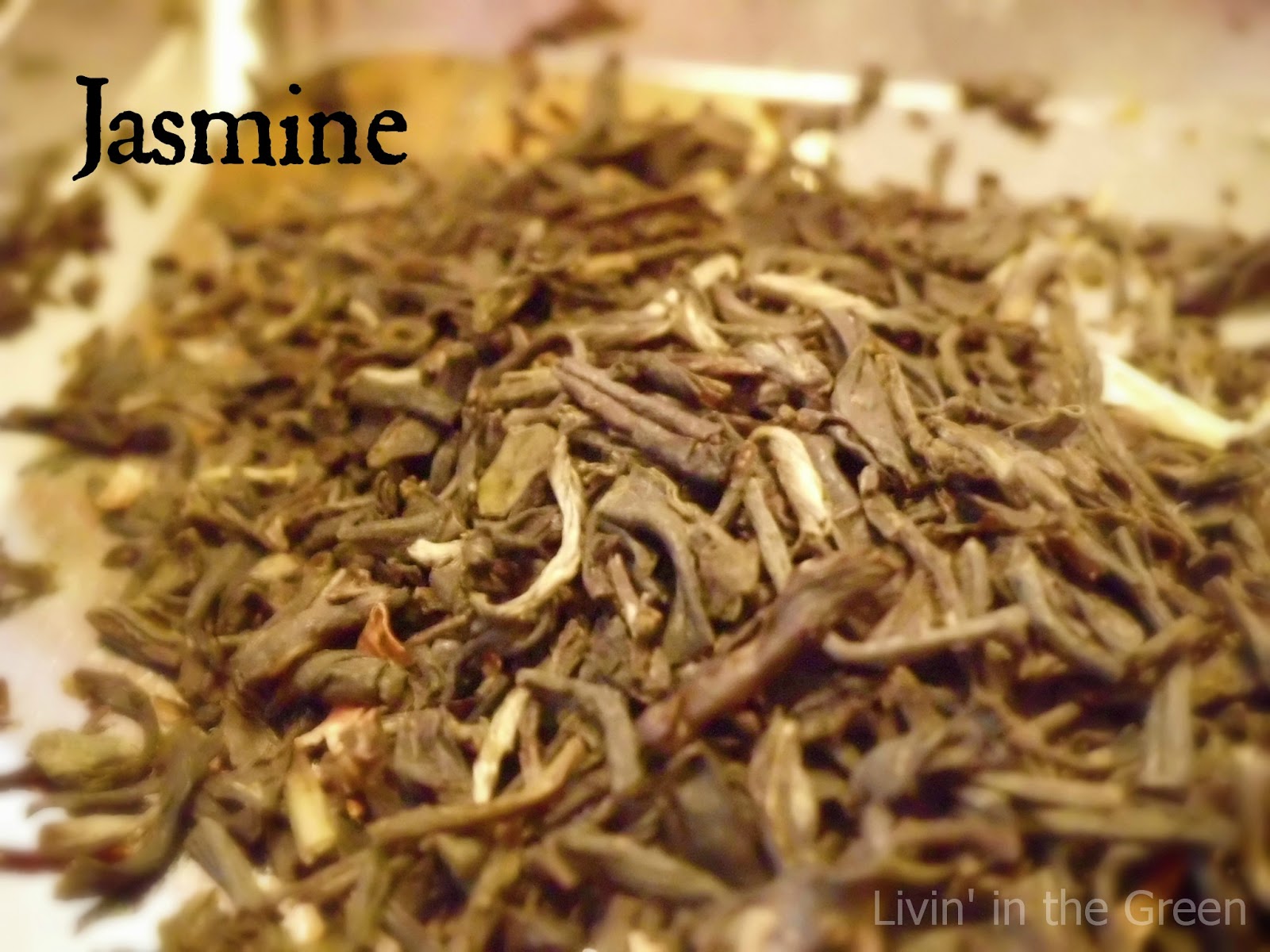
Now this Chinese restaurant had a little store attached and I promptly went over to it and looked for the tea.  I found a golden tin on the shelf labeled "Jasmine" and all of a sudden the waiter's voice echoed in my ear...I realized the tea was jasmine!! Yeah!  So, I bought my tin of amazing tea and took it home...well, it sat unused for a long time.  I couldn't figure out how to fix it and what to use and so on.  I am happy to say that my confusion didn't last too long and I soon accumulated a large collection of tea steepers.  Some gifts, some I bought, some I picked up...you name it.  I went through them all and learned what worked for me and what didn't work.
And here's where my review begins:


First we have the tea steepers that come with punched out holes in them.  I have them in all sizes and shapes (except I curiously don't have the all too familiar egg-shaped tea ball!?)  These have been the most common ones I 've seen around at the grocery store or local Walmart.  I even found a few vintage ones (like the one in the front.)  Now, I have a problem with these steepers.  The first thing is that some of the steepers are ridiculously small.  This picture doesn't show them true to size, but trust me, many are very small.  A small tea steeper means it's difficult to get a decent cup of tea from them.  They're hard to fill and the leaves certainly don't circulate. 

This steeper is so small, but it's really cute and I'll admit - fun to look at!

My second reason for not liking them is that they let some of the tea leaves escape and that  means a cloudy cup of tea.  Not a drink spoiler but let's face it...it bugs me.  I want my cup of tea "clean" as possible as that enables me to re-steep the leaves again.  So, I pretty much do not use any of these unless I have a large leaf tea that won't come out through the holes.  I still own these because my family, much less particular than I, will use them.

Not all mesh is made alike; look for a nice tight weave which limits the amount of escaping leaves.

Next we have the mesh tea steepers.  Now I am interested.  These make much more sense.  However, most of the ones I have are made to filter the tea leaves and not to steep them.  
Like the next two in the photos...


The one above swings so when you're done using it, it drips into its own little tray.  Clever.  


This is a classic English style... at least I've seen them used in BBC tv productions.  But the vintage ones had holes in theirs and not mesh.  These last two "steepers' are best used with a tea pot as you have to pour the tea from one container to the next.  I actually like these two a lot and have used them, but they're not ideal for a single cup of tea.


Now we come to modern days with this really cool tea stick.  I saw this in a coffee/tea magazine when we were managing a coffee house some years ago.  I wanted one really bad at the time.  My husband heard and promptly bought one for me for my birthday.  I won't say how much he paid for it but trust me it was A LOT.  My heart was touched and it really is the coolest steeper on the block.  It does a better job than the steepers with holes, but is not as good as the mesh.  I tend to use it for large leafed greens and it works fine.  You can see how you slide the punched holed cover to measure your tea, close it, steep and stir your tea with just this stick.  Pretty ingenious...just don't overfill.


Now we come this final steeper...the big "daddy" of them all.  I actually bought this one as a part of a set.  It came in a teapot which arrived broken.  I sent the teapot back but kept the steeper because it fit everything from a regular mug to a 32 oz. teapot! This steeper won my heart.  It's made of steel and no plastic parts (I don't care for plastic in steepers) and is perforated with micro holes so that not even the finest rooibos leaves escape.  Not too mention that it is large enough to allow the tea leaves to happily swim about imparting their delicious flavor to the water.  Three great reasons that make this the steeper I go to every time, whether for my teapot or mug.  It was also a reasonable price and you can find this one here (replacement infuser).


Okay, here are my top three steepers.  Actually the little teapot steeper is not very effective, but every tea collection should have one kitsch-y one... :)


There are also many types of disposable tea bags out there in case you don't want anything bulky to store.  You can find a bunch here.  I've bought and made my own tea bags before but have never used these particular ones.  They make sense that they would work, but I would rather stick with a more economical steeper as we drink many cups.  But these seem pretty practical too. 

I also found this one called the Tuffy Tea Steeper.

 It's collapsible so it's easy to store and made from food grade silicone.  Because this one has holes, I think this could work for larger leaf teas; maybe not rooibos so much.  It looks interesting though and tempting, but I am sticking with my large tea infuser for sure.

Okay, that's what I've found so far in my tea drinking journey...what's your favorite way to steep loose leaf tea?

Blessings!

 Linked to these blog parties... Lisa Leonard's Hello Mondays  
Clever Chicks Blog Hop Backyard Farming Connection
Homestead Barn Hop  Waste-Not, Want-Not Wednesdays
Frugal Days, Sustainable Ways 
Gastronomical Soveriegnty/Wednesday Fresh Foods Natural Living Link-Up
Simple Lives Thursday   Farmgirl Friday Blog Hop

Tuesday, November 6, 2012

Three Reasons Why to Buy Bulk Loose Tea.


When it comes to buying in bulk, it seems natural enough for coffee...but what about tea?  For some reason, it seems like a crazy purchase that makes no sense but I want to show you three great reasons you should consider buying your tea this way.  If you only ever drink a cup of tea every once in a while, then this is probably not for you.  However, if you enjoy drinking it hot or iced all year long like we do, then you'll want to read on to see why it's a great idea to buy lots of tea leaves and step away from the tea bag!

We drink all kinds of teas because they taste great, but also because they're nutritious and medicinal.  Green, white, oolong and black teas all come from Camellia Sinensis plant or bush.  They are all the same leaf but look and taste different based on the way they were dried and processed. White/green being the only non-processed leaf. They all contain antioxidants but green and white contain the most.  Green tea has been researched quite a bit in recent years and is found to be helpful in preventing cancer, stomach conditions, beneficial for the liver and skin (resource.)

Herbals, especially "rooibos" are also chock full of antioxidants as well as alpha-hydroxy and I drink this one for my skin on a daily basis. Rooibos comes from a plant in Africa, so even though it has the dark coloring of black tea, it actually is decaffinated and has no tannins.  No tannins = not bitter!  I have a "caffeine-sensitivity" so Rooibos gives me the benefits of green tea without the caffeine.

Of course, all this information makes them a great reason to drink more tea.  So, we drink these in place of sodas and sugared vitamin waters as they do so much more than just taste great. 

Now I still do have and use teabags, but our main teas I buy in bulk.  There's room for both in your tea locker (yes, I do have an actual painted locker I use for herbs and teas!) but buying your tea loose leaf and in larger quantities makes LOTS of sense.

  Okay, let's get  on to the reasons...

Reason #1: Taste!  Buying your tea loose leaf is going to naturally result in MUCH better tasting teas.  One reason is that the leaves are much larger and not broken down in order to fit into the bags.  Once a leaf has been broken in pieces, it begins to lose its essential oils which means it loses much of its flavor.  The first time I tasted bulk loose tea leaves that I had steeped myself, it was a tea experience epiphany! It's like comparing a value hamburger to a prime rib...no comparison.  Now, you can get a decent cup of tea from a bag sometimes, but it's never the same as with good quality loose leaf tea.  Cup after cup, I can tell the difference and tea has never been the same since I tasted it this way.  Quality wins, every time.


Reason #2: Value.  Yes, when you see how much a pound of tea costs, it's can be a bit of a shock.  It's almost always much more than a pound of coffee, however, I've found several places that sell great tea at a great price. (Check out Adagio Tea for Rooibos, Mountain Rose Herbs for Green)  I pay only 10 cents a cup for a pound of organic rooibos from Adagio Teas.  Plus, every purchase, review and post on Facebook gives me points towards 100 points for $10  coupon for my next order!  It's a great deal and I've been ordering from them for years. Plus they have the best shipping prices that I've found on the web.  A good gunpowder green tea can be purchased from Mountain Rose Herbs. Only $12 a pound!  Also, if you buy great quality tea, this means you'll end up with leaves that you can steep multiple times.  And that means more $$ for your buck. We usually steep twice and then drink the tea iced the next day. Yes, I know tea bags can be steeped again but we're talking about gourmet high quality tea that taste great.  It's a much better tasting tea,
  Can't drink a pound?  Consider putting in a fun packages and gifting some of it.  Or, find another tea addict, I mean, tea drinker and goes halvies with them.  I have quite a lot of tea here...there are four of us and we drink an assortment of herbals, greens and black tea and it doesn't go to waste!


Reason #3: It's Green!  That's right.  No more tea bags, strings and boxes to go into landfill.  I recycle my boxes and compost the paper tea bags, but they do take awhile to break down.  This also brings me to the new line of teas in the pyramid bags.  They put them in these bags so they don't have to break up the tea leaves and lose its flavor.  Great idea, however, these bags seem to be made of some kind of nylon material.  Definitely NOT going into my compost bin :(.  Now when I'm brewing loose leaf tea and I'm finished with my multiple steepings, I simply compost the tea leaves. Done.  I like this reason...while I do use some tea bags especially when I'm on the go, most of my steeping is done paper free.  


  Of course this all touches on what you steep your tea with and that will be for another post.  I have an assortment of tea steepers and I'll show you my favorites and why I like them.  There are some great products to steep with now and it's so easy to use them, you'll wonder why you didn't drink loose tea sooner!


Storage is premium for bulk loose tea.  But it's also simple.  They usually come in a foil bag with a zip closer.  I mostly keep them in these bags, in my tea locker (any pantry or cabinet away from light and moisture will do) or in any kind of air tight container. 


I have quite a few tea tins that I use and re-label to store new teas in as well.  I have one tin of Jasmine that I've stored for a good ten (yikes!) years and it still smells amazing whenever I open it.  Now, the teas should be used faster than that, but it does show you how proper storage can extend their lives!

I hope this inspires you to try bulk loose teas or to as least consider them.  If you've never tried quality tea, then well, this could be the time to drink it...it will revolutionize your taste buds!!

Blessings!!

What's your favorite tea? 

Are you a fan of tea?  You may want to check out these posts...Vintage Tea Room Fun
Tea Chat at the Open Door Coffee House  Mother's Day Tea Party


Linked to these blog parties...Living Green Tuesday Link-Ups 
Frugal Days, Sustainable Ways  Wednesday Fresh Food Link-Up 
Waste Not-Want Not-Wednesdays
Wicked Good Wednesday  
Natural Living Link-Up
Small Footprint Friday 
Homestead Revival Barn Hop  Backyard Farming Connection

Thursday, July 5, 2012

My Version of Olive Garden's "White Peach Cooler"

Yes, with all of the recent heat we've been experiencing lately, it's definitely summertime.  And summertime means iced tea for us.  If you don't drink iced tea, I really encourage you to try it.  It tastes great and is a great alternative for sodas that are basically made of sugar and chemicals.  (Not that I don't enjoy a Coke or Pepsi once in awhile.)  It's full of antioxidants, phytochemicals with are bone-strengthening, and even is known to help prevent tooth decay.  Try that from a Pepsi-free!  Seriously, if you're not sure about it, try the recipe below and it will become your new favorite drink.  All of the fruit flavors combine to make a one-of-kind drink perfect for hot weather.


This is my own version of a drink I saw advertised while dining at Olive Garden.  I looked at the ingredients and realized, I can make that one!  So here it is and I hope you're able to try it and enjoy it yourself at home.


I happen to have a great spearmint plant at home.   However, if you don't, feel free to use a mint tea bag to use in your tea blend instead.


Here are the ingredients to make a one quart serving of this tasty tea.  It will make a cup for you and a friend.  

Minty Peach and Lemon Iced Tea

1 tea bag of Peach herbal tea
1 tea bag of black, green or white tea
(You can also use a tea bag of Peach black tea if you can find them.  I like separating flavors so I can make more combinations.)
Half of an average sized lemon
A sprig of spearmint OR a mint tea bag
One quart jar (or something that will hold 32 oz.)

Put your tea bags and mint into the jar.  Heat your water to a boil and once boiling, add water to your container only to cover the teabags and mint.  If you are drinking this iced, you don't need to add water to the top as it's only more water to cool.  Let the tea bags steep for 15 minutes or more.  I usually do this and then start working on something else around the kitchen.  Once your tea water has cooled quite a bit, juice your half a lemon and add to your tea.  You can put it in earlier if you need.  You can also add a bit of made up lemonade if you have it available.  Stir and add sugar to taste.  I use two Stevia packets for one quart.  Add ice and fresh water to fill the jar and DRINK!  


I believe you will love this flavored tea.  Now you can drink a restaurant quality drink and serve it at home for you and your friends!  Enjoy and blessings!

Linked to Polka Dots on Parade Wednesdays Blog Hop