Pinterest

Tuesday, March 19, 2013

Echinacea: 3 Reasons to Grow This Medicinal Flower


Echinacea Purpurea...aka "Purple Coneflower."  This multi-talented plant has been involved in herbal medicine and enjoyed for it's bold purple blooms for decades.  What's so great about this North American native wildflower?  Why should you include it in your landscape? Keep reading because we're going to look at three reasons why you will want to consider planting this valuable and beautiful flower.

1. Echinacea is a great attractor for butterflies and pollinating insects.

It really is.  I am speaking from experience here too.  This flower is covered with pollinators when in full bloom.  And it's no wonder why either when you look at the giant cone center with the drooping petals which provides an easy resting spot for butterflies and lots of nectar and pollen for other insects.  My stand of echinacea is always a highway of activity and a great butterfly spotting station mid summer.  If you leave the seed heads of the flowers alone in the fall, you'll also attract goldfinches which love their seeds.  This flower is one of the best plants I've seen to bring nature right into your own backyard. 


2.  Echinacea is an easy-care and drought resistant perennial.

 That's right; very easy to plant and take care of.  Once sown, either by seed or by plants, echinacea will establish itself very easily.  A native to Texas and out west, it's used to living on less than ideal water which means this plant is tough. It being tough means that it's easier on your budget as well. Hardy in zones 3-8, this plant is able to grow in many locations. Echinacea likes fertile, well-drained soil in a sunny location.  With rich soil, it should grow about 3-4 feet high and produce flowers 4-6 inches across and it makes a nice addition to the back of your flower or herb bed. 

It's beautiful purple works well in most flower beds, but don't worry if you're not into purple...there are now many varieties of echinacea that come in an array of colors.

Echinacea will also self sow freely, so if you don't want to weed plants the next year, be sure to dead head them to prevent this.  They can take over a flower bed if left to themselves.  I alternate dead-heading every year as I like to let the goldfinches have at the seeds.  Even though it is a perennial, I find that the plants don't necessarily live too many years, they just tend to replace themselves through self-sowing in the flower beds.  So, if you're growing a different colored variety, check to see how hardy that particular echinacea is in your zone.


3. Echinacea is an immune system builder and the leaves, flowers and roots are all medicinal.

Native Americans long valued this plant for it's immune system help and reputation as a help with fevers.  It's come in and out of fashion in the herbal world; but really should be in every established herb or flower garden.  Be aware that this basic variety and not the newer colored varieties are the most medicinal.  So if you're growing it with this use in mind, make sure to purchase echinacea purpurea.

Even though echinacea augustifolia is the more well-known medicinal flower of the two varieties, purpurea is easier to grow and much hardier.  Typically the roots are used in herbal preparations of tinctures, decoctions and teas, but the leaves and flowers have some medicinal value as well, especially in teas.  I don't want to sacrifice my plant by digging up the roots; plus, let's face it, it's hard work to dig it up and dry them for decoctions so I harvest the topmost leaves and newest flowers for my tea blend.

 I made a tea for my kids when they were toddlers from the leaves and flowers as a supplement for them when they were fighting a cold or getting over an ear infection.  Using this milder form still seemed to help them along in their recovery.  You can grow plants and harvest your own roots, or you can order them online to make your own teas or tinctures.  At least I have the plant available if I did need the roots for stronger medicine.  You typically want to harvest roots from 3 year old plants and during the fall once they are done flowering.


Echinacea Tea
1 part echinacea parts, leaves, flowers, roots
1/4 part lemon grass
1/4 part spearmint leaves (or to taste)
Stevia leaves to taste

Mix and brew at the first sign of cold or flu.  Based on the Traditional Medicinal recipe.

 
Hopefully after reading this, you'll understand the immense value of this versatile and wonderful plant.  To me, it's the first plant going into any new flower bed because of wonderful attributes.  So, if you haven't planted one yet, now is the perfect time to find a start from a friend in early spring (transplant when really young for the best start) or start your own seeds...you won't regret this one!

Do you grow echinacea?  How do you use your plants?

Blessings!

References:

1. http://www.gardenguides.com/499-coneflower-echinacea-purpurea-garden-basics-flower-perennial.html

2. http://www.naturalmedicinesofnc.org/Growers%20Guides/Ech.purp-gg.pdf
 

Linked to these amazing blog parties: Waste Not, Want Not Wednesdays
Wildcrafting Wednesday Seasonal Celebration
Natural Living Link-Up The Country Homemaker Hop
Simple Lives Thursday Homestead Barn Hop
The Backyard Farming Connection Hop Frugal Days, Sustainable Ways
Eco Kids 

Saturday, March 16, 2013

March: What a Difference a Year Makes!


Woke up this morning to see this outside...A surprise winter storm.  Just when we're all getting spring fever too!   It's looking like 4 inches of snow so far with only one day in the next ten days with temps in the 50's.  The rest of the time is supposed to be back in the 30 degree range...wait, is this March or February?? 


This is March 13th last year AND a picture from my very first post on Spring.  Definitely a change in weather...sunny, warm(er) and more colorful.  

So I celebrate my one year blog anniversary with a snowstorm but with much anticipation of sunnier, warmer days ahead!  Hope your day is filled with lots of love and happy thoughts...blessings! 


Linked to these blog hops: Weekly Top Shot
Homestead Barn Hop Hello Monday
The Backyard Farming Connection Waste Not, Want Not Wednesday
Wildcrafting Wednesday Seasonal Celebration
The Country Homemaker Hop Simple Lives Thursday

Tuesday, March 12, 2013

The Health Benefits of Coffee


Coffee.  I've generally found that people either love it or hate it.  For some reason, this bitter brew evokes strong emotions in some; usually more in the "I love coffee" realm than the other.  Of course that's obvious by the abundance of coffee shops that litter the streets of most major cities and a smattering of them in the smaller towns.
 Our very small town/village has a locally owned one that my husband managed and I worked at for 6 years.  We really grew to love and appreciate the rich depths of flavor coffee has and also did some research on its possible benefits.

Benefits?  That's right.  Coffee does have some health perks that go along with it despite a lot of negative press in the past.  More recent studies have shown that coffee can be helpful to your body.

Should everyone drink it?  The purpose of this post is not to make you a coffee drinker as most people don't have to be "made" to love coffee.  It just happens.  Once it starts, coffee is not only a satisfying drink, but one that may just deliver a few helpful benefits as well.  So if you already drink it or are just plain curious, here are a few things I learned...


It is important to note that most studies mostly show an association of coffee drinkers with these health benefits.  They aren't direct "cause and effect studies" which show a direct correlation between coffee and the coffee drinker as other factors could affect the outcome of the study.

However, coffee has been with us now since before the 14th century when the Arabs learned how to cultivate and successfully trade the beans. That's a LONG time of usage and it helps to give us some insight into any long term effects of coffee even though most studies will say they "they still don't know the long term impact that coffee has on our health."  

Caffeine is coffee's most obvious draw.  That's a bit obvious.  However, coffee has some other benefits besides caffeine that is now showing up in studies being done on coffee's decaf version.
 

Compared to non coffee drinkers:

"A growing body of research shows that coffee drinkers, compared to nondrinkers, are:

  • less likely to have type 2 diabetes, Parkinson's disease, and dementia
  • have fewer cases of certain cancers, heart rhythm problems, and strokes."

Diabetes? 
 
"The vast majority of those studies have shown a benefit of coffee on the prevention of diabetes. And now there is also evidence that decaffeinated coffee may have the same benefit as regular coffee,  says Frank Hu, MD, MPH, PhD, nutrition and epidemiology professor at the Harvard School of Public Health. 2
"Hu calls the data on coffee and type 2 diabetes "pretty solid," based on more than 15 published studies." 3
How could coffee help keep type 2 diabetes at bay?  It seems like it's a combination of its antioxidants and minerals such as magnesium and calcium which help the body use insulin which in turn regulates blood sugar.  

                                          Heart disease and stroke? 

 Well, when you lower the risk of diabetes, you automatically lower your heart risk...there's one way it helps.  

                                 "And, for women, coffee may mean a lower risk of stroke.
In 2009, a study of 83,700 nurses enrolled in the long-term Nurses' Health Study showed a 20% lower risk of stroke in those who reported drinking two or more cups of coffee daily compared to women who drank less coffee or none at all. That pattern held regardless of whether the women had high blood pressure, high cholesterol levels, and type 2 diabetes." 4

                                                                        Dementia? 

 According to a study done on clinical mice, coffee was shown to help boost the levels of GCSF (granulocyte colony stimulating factor), a growth factor that was shown to help fight off Alzheimer's Disease. 5

                                                                  Certain Cancers?

"A Harvard School of Public Health study shows that men who drink six cups of coffee a day have a 60 percent decreased chance of developing a dangerous form of prostate cancer, as well as a 20 percent decreased chance of developing any other kinds of prostate cancer." 6

"New research presented at the American Association for Cancer Research conference shows that coffee could help to ward off basal cell carcinoma, (skin cancer) the most common cancer in the world." 7


These recent studies are sure to encourage coffee drinkers everywhere and make us sigh with a bit of relief when indulging in a cup of our favorite dark roast.  

1. Just remember, these results are conducted on plain coffee only...no cream, sugar or syrups.  Not that you can't still achieve some health benefits with them but to remember to go easy on the additives if you plan on getting the best results. 

2. Also, if you have any sensitivities to caffeine in the coffee, try decaf instead. 

3. Keep your coffee consumption reasonable and moderate.  Four to seven cups are considered heavy usage (this can depend on your body size) and can lead to negative effects like sleeplessness, anxiety and irritability as well as other slight health risk factors.8  Listen to your body, it has its way of telling you when enough is enough.

So put on a big smile when you enter your next Starbucks or coffee house and know that a simple cup of coffee will not only make you a little more wide awake, but can help your body out just a bit too...

Blessings!

Are you more of a tea drinker?  Read this post The Health Benefits of Tea.

References:

1. http://www.webmd.com/food-recipes/features/coffee-new-health-food
2. Ibid.
3. Ibid.
4. Ibid.
5. http://www.huffingtonpost.com/2011/10/31/coffee-health-benefits_n_1064577.html#slide=440657
6. Ibid.
7. Ibid.
8. http://www.mayoclinic.com/health/coffee-and-health/AN01354

Linked to these amazing blog parties: Waste Not, Want Not Wednesdays
Wildcrafting Wednesday Seasonal Celebration Wednesday
The Country Homemaker Hop Natural Living Link-Up
Simple Lives Thursday Homestead Barn Hop
Natural Living Monday The Backyard Farming Connection

Friday, March 8, 2013

Lake Erie Shoreline: Earth or Moonscape?


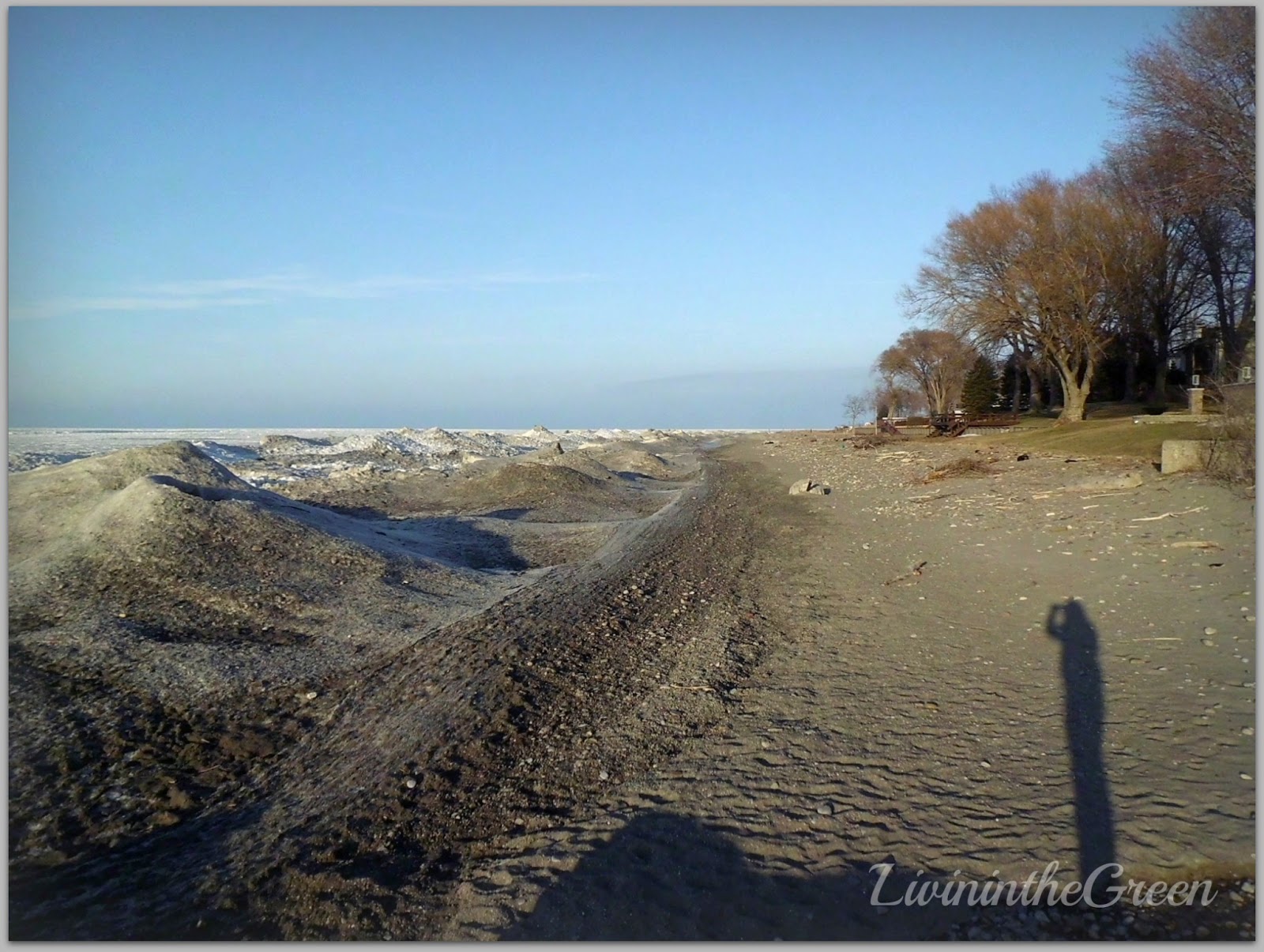
A desert? The Arctic? Mountains? Or maybe more exotic...like the surface of another world? No, not really.  It's actually the shoreline of Lake Erie during an early March thaw. 
 

I wanted to get some shots of it while it still had ice and snow on it, but the wind usually comes from the north so it's normally too cold to stand on the shore.  Today, the wind was coming from the south so I was able to comfortably capture some pictures before it all melted away. 


It's a bit hard to tell, but the hills are caused by the wave motion on the shoreline. Snow and sand mix to create a waterscape of dunes capped with snow.


Here's a better perspective of what it looks like...you can see the beach this way and the other views are while looking out at the frozen water.


It's was a bit surreal...even I had to remind myself where I was.


A special place though.   Glad I was able to get these photos.

Blessings!

Linked to these amazing blog parties... Weekly Top Shot
Homestead Barn Hop Hello Mondays
Backyard Farming Connection Waste Not, Want Not Wednesdays
Wildcrafting Wednesday Seasonal Celebration Wednesday
The Country Homemaker Hop Simple Lives Thursday

Wednesday, March 6, 2013

Winter Sowing Seeds with Recycled Materials


I'll admit it.  I am basically a "lazy" gardener.  Well, at least in the fact that if I can find an idea that saves me from extra work, then I am all about it. That's what I've discovered with the idea of "winter sowing."    I actually tried this two years ago with lettuce plants and liked the results but forgot about it until a gardening friend shared a blog post about it recently.  

It's such a great idea.  You plant your seeds pretty early, some in January (like cold hardy perennials) and put them outside in mini-greenhouses, usually made out of gallon milk jug containers, and let nature do its work on the seeds.  Snow, freezing and thawing eventually soften the seed coating and help it to germinate when the temps become just right.  Now the seeds with the added protection of the greenhouses means that they'll germinate earlier for you.  

So, it's like starting indoors but in my thinking much better because I don't have to set anything up and I don't have to harden off any seedlings. This means I will start my cold hardy greens and lettuces now, as well as some perennial herbs, but will start my peppers, tomatoes and basil outside in April.  

Clear plastic cup having a second life as a greenhouse.
 
Normally I direct sow many of the seeds right into the garden, but this year I am going to attempt a no-till garden (less work, yeah!) and so I will need plants to begin the garden.  Because we are so limited in space, I normally have to buy almost all my plants which is $$$ and often times they run out of my varieties or the plants don't look so great.  So, winter/early spring sowing is going to help me out immensely. 
 

Because I am lacking in milk jugs, I ransacked my recycle bin to see what I could use.  Any clear, fairly tall container should work.  I will be on the lookout for milk containers as well but in the meantime, I used what I could find.  I don't need too many plants of most things so I am not concerned about their size as I can always transplant them right into the garden once the weather warms up a bit.
 
This rectangular spinach container makes a great greenhouse.

I am using the toilet roll holders as seed pots too.  I marked the what the seeds were on the little pots.  You could plant the whole container, but again, I don't need 20 plants of everything.  I also like the idea of just planting the little pots into the ground.  It gives the small plants more of an anchor when starting them out in the garden.  


When making mini-greenhouses, you want to make sure that there is at least one hole in the top for snow/rain to get through and also drainage holes at the bottom.  You can duct tape them closed if you had to make a cut in them to use them like the honey container above.

When temps rise you only need to remove the tops during the day and seal up at night.  If it goes below freezing after the seedlings have emerged, cover with and old blanket or shower curtain to give them extra warmth.  
 

You may want to try this for spring vegetables or if you don't have a lot of space inside.  I am space limited inside and out but the outdoors is much easier for me to start lots of seedlings because I'm not stuck to a few sunny windows. 

Plants started this way are often hardier and healthier because they have adjusted to the temps in their own setting.  It's like a lot of small cold frames but these are moveable and adjustable to the specific needs of each plant variety.  If you have very tender plants like tomatoes, you could also bring them inside on frosty nights...you'll just need to watch the weather during the early spring transition.

For more information, please check out this great post on Winter Sowing.  He will show the technique with milk jugs ( which I used successfully too) and even a list of plants and when to start them.  You'll have to adjust the dates according to your own planting zones. 

Have you ever tried winter sowing?  What kind of items do you use as mini greenhouses?

Blessings!


Linked to these amazing blog parties: The Homeacre Hop
The Country Homemaker Hop Natural Living Link-Up
Simple Lives Thursday Small Footprint Friday
Farm Girl Blog Fest Homestead Barn Hop
 Backyard Farming Connection
Waste Not, Want Not Wednesdays 

Friday, March 1, 2013

Photo Fun with Flowers


I am an obvious flower fan.  I really can't help it.  They are gorgeous and if I were able to have them in every room, I would.  So, I content myself with growing them outside in the summer where I can see them every day.

I thought I would have fun with this photo my son took with his Panasonic GH2 of some cut flowers I brought home one day.   Here's his original photo above.


Here's one where I softened it up a bit and added more color and a bit more contrast...


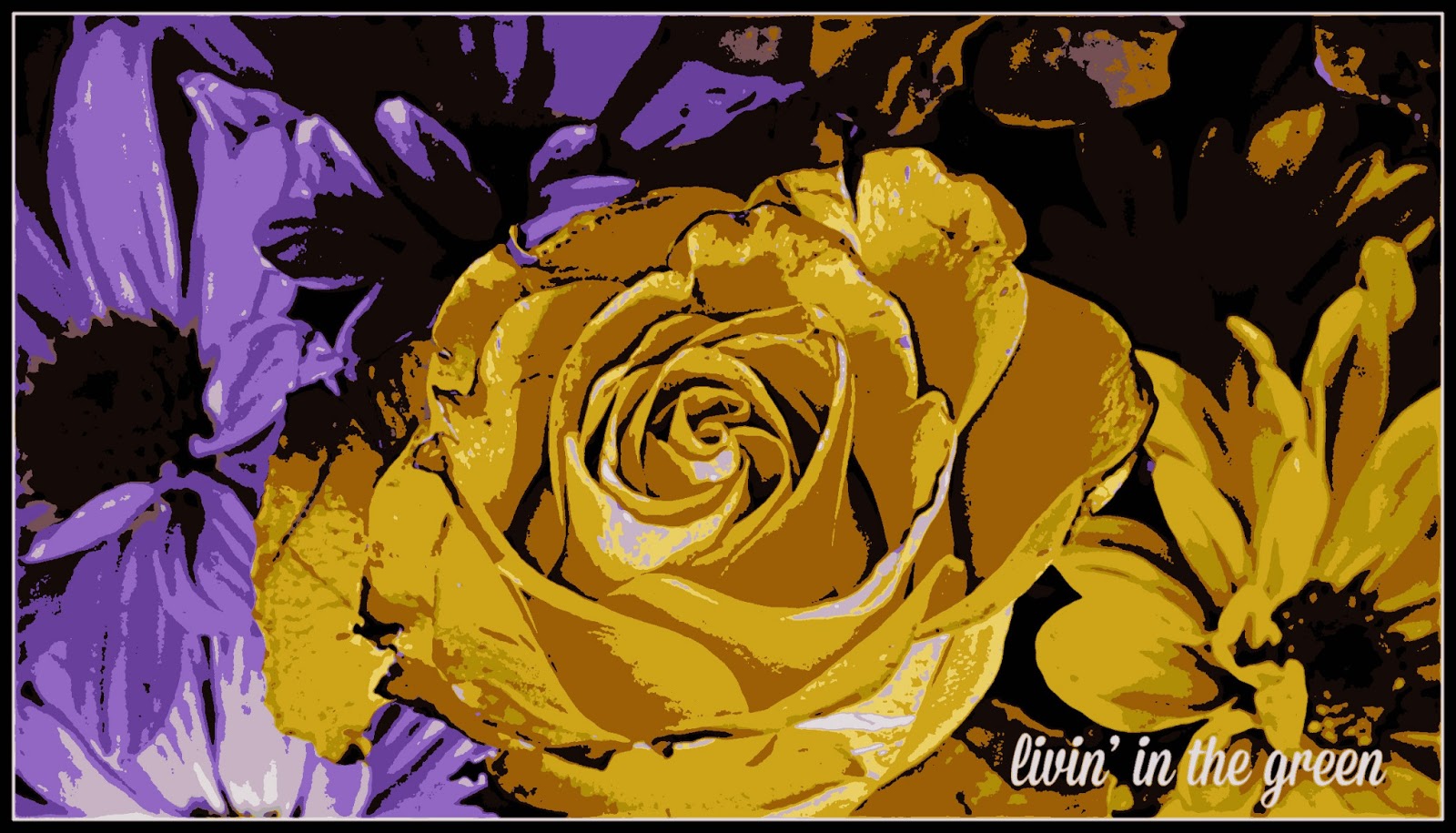
Here's the last one with a "poster-izing" effect.  It's really modern and a completely different look from the original photo.  

Just a bit of fun with flowers.

Linked to these amazing blog hops: Weekly Top Shot Homestead Barn Hop
Hello Monday The Backyard Farming Connection
Frugal Days, Sustainable Ways 
 Seasonal Celebration Wednesday
Wildcrafting Wednesday The Homeacre Hop
Simple Lives Thursdays Farm Girl Blog Fest

Tuesday, February 26, 2013

Seed Catalogs: Reviewing the Pros and Cons


I don't know about you, but this is the season for seed catalogs and I certainly have gotten my share this year and have been inundated in the past as well.  They do tend to pile up in numbers but their color filled pages get me to dreaming about this year's garden.

Why even order out of a catalog?  
After all, most stores carry lots of seeds this time of year.  Well, here's a look at why you may want to consider placing a seed order through the mail and the downsides as well.  


If you've never ordered out of a seed catalog, then it's pages can seem a bit daunting for sure.  But once you narrow down the staple items you're looking for, like beans, tomatoes, peppers, herbs, etc; it gets much easier.  So let's take a look at the benefits first of ordering seeds through the mail or online.

1. Choices, choices and choices!! 
  Why you do have quite a few options in the store, seed catalogs generally carry a lot more inventory and this means more choices and options for you.  This is one step closer to gardening successfully.

2. More options means finding varieties suited to YOUR growing conditions.  
 This is one huge advantage I love about seed catalogs.  Not only many varieties, but you can pick a zucchini that is a space saver and only 47 days until fruiting...this is a huge plus if you are short on space and live in an area that has a short growing season.  Stores usually carry a limited amount of vegetables and each variety may have only 3-5 choices depending on what it is.  This means that if I'm looking for an heirloom squash or more choices in certain kinds of pumpkins, I'm probably going to be very limited in what they offer.

3. It's much easier to find and buy heirloom and organic seeds. 
  If you only plant these types of seeds, then they will be much more difficult to find in a store.  Burpee does offer its own heirloom seeds, but again, their offerings are pretty limited and if organic is the only option for you, then this option may not even be in the stores.  I have to grow some hybrids because of limited space and I need disease resistant tomatoes, so I tend to use a catalog that will carry a selection of heirlooms as well.

4. You get more seeds per package. 
 What's great about most seed companies is that they will give you an approximate number of seeds in a packet.  You generally get more in them then from a packet from the store.  This is not a problem for something like eggplant, but when it comes to green beans, I want to make sure I get enough for a good planting and I always do when ordering from a catalog. 


5. You get lots of information in your catalog about each variety.  
For me this is really important.  I like the descriptions from the smaller seed companies where they give personal reviews of what they liked about a specific variety of vegetable.  For instance, "...very sweet tasting and prolific...we harvested 20 peppers from one plant."  This helps me so much when making a decision.  I feel more assured I made the right choice.  When in the store, the lack of information makes me feel like I'm taking a shot in the dark with that vegetable.  Many times it works, but it feels more stressful because they just don't tell you a lot.

6. You can actually help support seed saving. 
 If you order from the Seed Savers Exchange, then you are helping a non-profit business succeed with its vision to save heirloom varieties for future generations.  That always feels pretty good!  Also, you should be able to save the seeds of many of the varieties from there because they are open-pollinated. Buy once and plant many times again.


The downsides...

1. It can be expensive.  
Not only can the seed prices be a little heftier depending on what company you are ordering from, but if you add in the shipping charges, this can add up very quickly.  I do find the quality is really good with most seed companies though. If you're ordering from a catalog but don't have a large order, you may be able to share the expenses with another gardening friend.

2.  You may not be able to get all your seed needs from one catalog.  
This is where it can really hurt you.  Paying shipping one time can be bad enough, but twice?  Ouch.  I try to place an order with the company that is going to offer me the most varieties I'm looking for and use the store to supplement the seeds that I don't need to be as fussy about.

3.  It takes time to get your order. 
This is not a problem if you order early, but if you don't then you won't be able to get what you're looking for in time to grow for that season.  I've procrastinated about ordering so many times and missed out on certain vegetables I wanted to grow.  You have to be purposeful when ordering through the mail.


A few more bonuses with seed catalogs...

1. Lots of great information!  
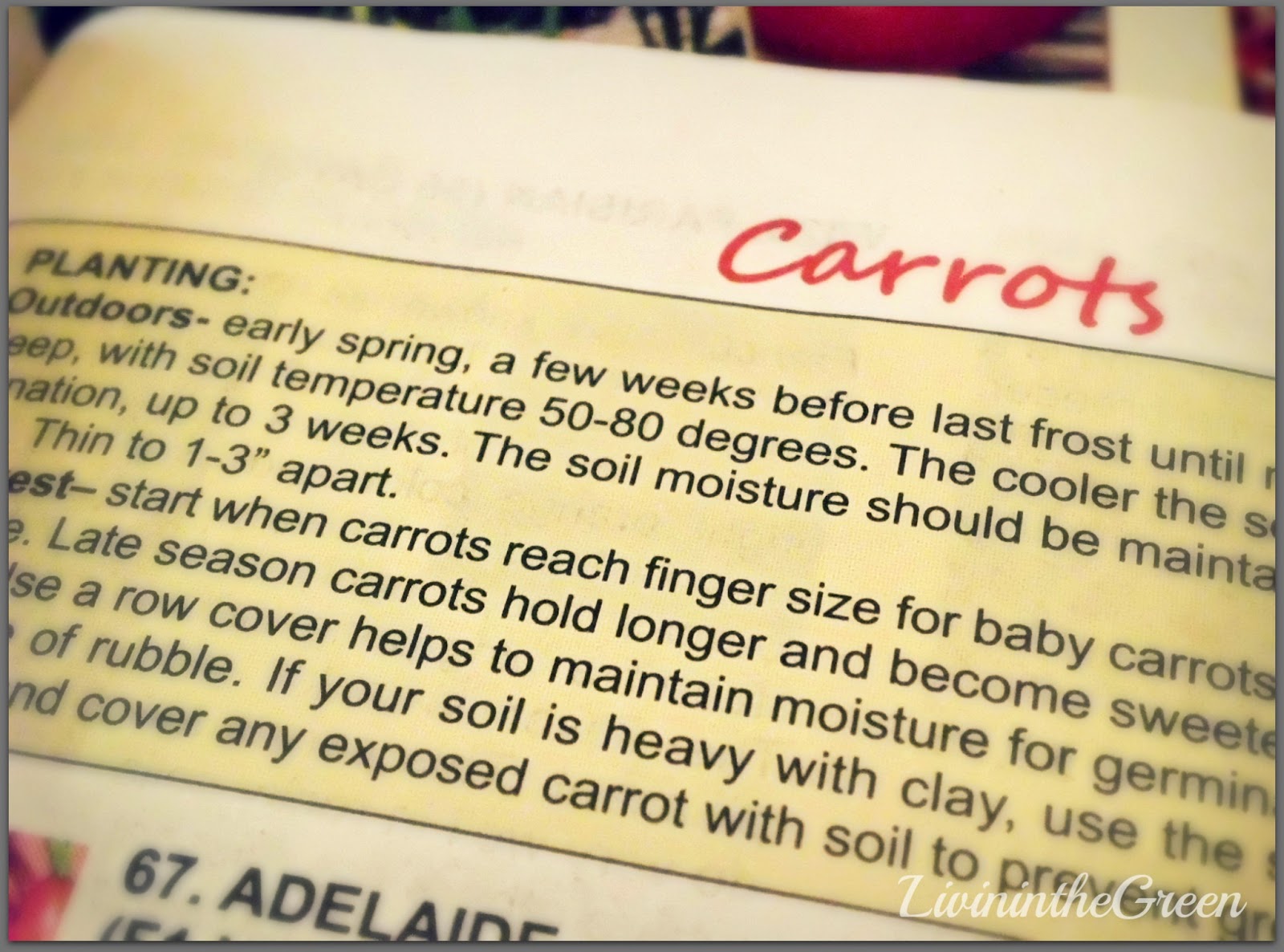
They usually give you more planting information for a specific vegetable and then a great description of each variety.  When just starting out in gardening, I used to study seed catalogs because they are packed full of great gardening knowledge (I still study them!) I've noticed this most with the smaller specialty companies. They know that more practical information means you'll have a better garden, and they want you to do well with their seeds.  So they are generous on planting tips, how-to's and facts about different varieties.  This makes them great free resources that make junk mail pretty valuable!

2. They sometimes include recipes. 
 How great is that?  I love that they give you ideas for some of the specific foreign type vegetables too...this is a fun plus that helps you to want to experiment with different varieties than what you may be used to.

3. They can make your garden much more successful.  That's right.  With all the great information, they can help you choose varieties suited for your particular growing zone and region.  The more specific you plant to your growing area the better your harvest will be.  For example, they will often tell you what kind of onions to grow if you live in the north as opposed to the south.  They will often recommend varieties that have been proven to grow well in certain zones too.  This helps so much if you're a new gardener or are trying to grow a new vegetable that you've never tried before.  You typically don't find this information in a store display of seeds.

Cook's Garden


So, there you have it...just a few things to think about when considering ordering online or from a catalog.  I always order online from the paper catalog as I like reading from a paper copy better than trying to read everything online.  However, you may find navigating a web page a bit easier than a catalog.


I personally am hoping paper catalogs never stop as they are great to pick up and hold and pass along to a friend and gardener.

What's your favorite seed catalog?

Blessings!


Linked to these amazing blog parties... Waste Not, Want Not Wednesdays
Wildcrafting Wednesday Seasonal Celebration Wednesdays
The Country Homemaker Hop The Homeacre Hop
A Sustainable Living Link-Up Natural Living Mondays
Homestead Barn Hop 
The Backyard Farming Connection
Frugal Days, Sustainable Ways Simple Lives Thursday
Farm Girl Blog Fest