Pinterest

Showing posts with label garden. Show all posts

Tuesday, February 11, 2014

How Gardening (Practically) Saved My Life...


Yes, I know the title sounds extreme and dramatic but let's face it; in the big picture of things it's true.  Before gardening, my dinner plate was a literal world of tan and brown with no intention for change.  I lived thinking that carbs were the new green and I embraced their ability to bring me comfort and joy.  Vegetables were the enemy and the further away I could be from them the better.  

Oh, I embraced the perennial favorite, corn-on-the-cob and well, that was it.  Really.  I know...so sad.  It's not that I didn't want to be healthy, but hey - I was young and my body could take it!  So, I fed it lots of comfort foods and when I ate a small amount of green beans or an occasional salad, I figured I was "doing my body good." 


It wasn't until I began to have digestive issues that I began to take my health more seriously.  I was convinced that I was dying and when the doctor told me that I just needed more fiber, I was insulted.  How dare he say that what I had could be fixed by me eating better!  So, I added more fiber to my diet...like the Metamucil kind until I learned how I could get all the fiber I need from vegetables and fruit - who knew?!

Enter gardening.  I always liked to grow things when I was a kid...but these were of the flower nature.  So I started to plant lots of flowers...I mean lots.  I put them all over our small little yard and I still have a lot.  Then I progressed to herbs...after all, they flowered too and I was fascinated by the fact that you could eat and drink them and they could help you too.  Then I thought, why not plant a few tomatoes and a pepper plant or two as well?  Once that happened, I decided to can what I grew and the garden jumped into life.
So, I want to share with you how gardening is a practical way to "save" your life and learn how to eat better. 

1. Gardening Connects You to Your Food.
       I know it may sound silly, but when you grow it, you feel connected to your food.  You know the work and the effort that went into tilling and raking the soil, planting the seeds, and pulling the weeds.  It's a lot of effort and it makes you appreciate what you've had just grown.  It's way different than buying produce at the store. You didn't nurture that vegetable and you don't know where it came from - in other words, you have no emotional connection to it.  As strange as it may sound, planting the vegetables made me want to eat them!

I remember always planting a small patch of baby carrots and pea pods for our then toddlers.  I would tell them where "their" garden was and they would wander in and snack on them at will.  I'll never forget the time when our younger son came into the house with a dirt ring around his mouth after pulling some carrots...I very quickly introduced him to the garden hose!  The point is, he felt connected to his food and still loves those vegetables to this day.


2. "If You Plant It, You Must Eat It."
       This is very similar to the first reason; feeling connected to your food except in this case, it's more about feeling "responsible" for eating what you grow.  Yep, it's true.  I thought, "Wow, I just planted 10 rows of green beans and I really should can them and then eat them."  I never liked green beans.  I mean, I hated green beans.  However, they are one of the easiest veggies for me to grow and I grew them like crazy.  I had mountains of beans.  I felt very successful as a gardener but in order for that success to make sense, I needed to actually consume what I grew.   And I did, but I admit, very slowly!  

I also began to realize that if I actually ate what I grew, I could save some $$.  The practical side of me responded to this very much and I began to experiment with the vegetables, trying to find ways to "hide" them in food so I would eat them.  It eventually worked and I actually like green beans now and have fun growing lots of different varieties. 


3. Gardening Introduces You to Unique and Different  Vegetables.
      Everything from tomatillos to Mizuna...gardening has expanded my mind and palate to new flavors and textures.  After a while, growing just tomatoes, peppers and green beans radically expanded to new frontiers of vegetables like the vertical growing green; Malabar Spinach (which grew over 15 feet tall) to unique varieties of edible flowers.  I was amazed at all of the vegetable catalogs and the wealth of vegetables which were available to grow.

I began to include new and different varieties of the basic vegetables as well as including new kinds I had never tried before.  I remember talking about eggplant with my 100% Italian brother-in-law.  I began growing them, initially to give them to him and not realizing how many fruits they put on.  I knew we needed to start eating them too and eat them we did...slowly at first and now I don't think they've missed a season in our garden since...and that's been well over 20 years!  We grow them now because we love them and miss having them on our plates.  I have grown many different varieties of them as well.

There are many other reasons why gardening has "saved" my life, like the fact that it's a super fulfilling and even relaxing hobby.  I get so energized and yet still peaceful at the same time whenever I'm around my plants.  

And my health?  No more digestive complaints and I've been able to maintain the same healthy weight for over 20 years.  I thank my veggies for lending a hand in all of this and look forward to gardening for many years to come.  Most active gardeners live a long and healthy life!

I hope you are inspired to grow your own vegetables if you aren't already and maybe share how they helped to save your life as well!

How has gardening impacted your life?


Linked to these amazing blog parties...Waste Not, Want Not Wednesdays
Frugal Days, Sustainable Ways

Saturday, January 11, 2014

The Power of Capsicum


Capsicum...aka; peppers.  We've been growing them for years.  All kinds, sizes and shapes, sweet, hot and in-between.  They are a rewarding plant to grow as they usually produce lots of fruit.  Especially banana peppers...they always make me feel like a garden genius. 

But what's inside of these savory fruits that make them so powerful?  One thing for sure is taste...they've been imported from all over the world and valued in many cuisines.  They are reported to have been in existence for 9000 years and cultivated for over 7000 years.  That's pretty amazing staying power for one vegetable!
 

"Capsicums are believed to have originated in regions of South and Central America. It was Christopher Columbus who collected capsicums from the West Indian regions in the 1492 and took them to Spain. It was from there that capsicums spread through the regions of Africa, Asia and Australia. Owing to the adaptable nature of these bell peppers, they grew well in tropical and temperate climates. Today, China, Turkey, Italy, Spain, India, Romania and Mexico are among the leading producers of capsicum with almost 20-27 species grown across the world." 1


Taste isn't the only thing that makes peppers powerful; they are also high in nutrition...especially once they turn red.  Remember, the green peppers are the unripened state of a pepper.  They have lots of Vitamin A, E as well as niacin and many other vitamins and minerals.  A really good vegetable to include in your diet.

So what about health benefits?  Peppers  "contain antioxidants like beta carotene (carotenoid), lutein and zeaxanthin (phytochemicals) and vitamin C. After consumption of capsicum, the body converts beta carotene into retinol, which is one of the most usable forms of vitamin A." 2

"Capsicums are known to lower the fat stored in blood corpuscles, called triglycerides, and thus help in burning calories. This can vastly improve the body metabolism." 3

"Apart from these benefits, capsicums promote cardiac health by lowering blood pressure and cholesterol levels. It has anti-inflammatory properties, stimulates stomach secretions and improves digestion." 4


But that's not all.  The reason I wrote this post is to share about a component in peppers; capsiacin.  This chemical is the one responsible for the "hot" in hot peppers.  It's also been found to help relieve pain when applied topically.  I have used commercial preparations containing capsaicin for a good 15 years. 
   "Topical ointments and creams containing capsaicin are helpful in relieving pain from many different conditions, including arthritis, fibromyalgia, nerve pain and lower back pain, explains the University of Maryland Medical Center. While capsaicin is not a cure for pain caused by these conditions, it does lower the amount of substance P, a chemical that helps transmit pain signals to the brain, when applied directly to the skin." 5
I have used capsaicin faithfully for years and I feel like it's been a life saver during bouts with pain.  Capsaicin is not for the faint of heart though.  It packs a whollop of heat and needs to be used sparingly.  If my pain is intense, I am able to use quite a bit, but it's important to follow directions when using.  

However you slice them, capsicums are a powerful, pain-relieving plant that deserve a place in your garden, diet AND medicine cabinet.  Blessings!!

Have you used capsicums or capsaicin?


1. http://nutrition.indobase.com/articles/capsicum-nutrition.php
2. Ibid.
3. Ibid, 
4. Ibid.
5. http://www.livestrong.com/article/342597-what-are-the-health-benefits-of-capsaicin/ 


Linked to these amazing blog parties... Frugal Days, Sustainable Ways
Waste Not, Want Not Wednesdays 


Tuesday, December 10, 2013

Pinterest Garden Inspired Christmas Decor!


When it comes to decorating, the garden is my favorite inspiration.  I love the diversity of colors...from earth tones to vibrant that the garden offers.  The garden also offers a huge variety of textures and shapes as well.  

Scanning Christmas Garden Decoration Ideas on Pinterest yielded some really fun ideas for your garden this year.  And...if you don't actually make them, the creativity they display is worth the look.


What's perfect for the kitchen this season?  How about putting together a small edible wreath made up of herbs from the garden?  Make it up a few days before gift giving and it's ready to use.  Or you can give it to them at any time and allow it to dry.  This wreath has bay leaves, sage, thyme and blooming oregano.  This is sure to please the savviest of cooks!

Photo Source

I love this beautiful Moss wreath for Christmas.  The colors, the textures and the square shape make it a show stopper.  What reindeer wouldn't want to visit this house?  Click on the caption under the photo for directions on how to make your own.

Photo Source

Simple is always nice.  This rustic garland made with dried orange slices and twine would look great on any mantel or Christmas tree.  Make your own or buy them at a craft store for an instant garden look inside!


Photo Source

Even the most craft-challenged person can put holly berry sprigs under a wine glass with some tea lights on top.  This is a beautiful table top decoration for a special Christmas meal or use a flame-less tea light to use all season long.  A great way to use those crystal wine glasses tucked away in the cabinet. 


Have pinecones?  Gild them with a quick spray of white paint and hang them from a rustic chandelier for a super outdoorsy, nature inspired holiday decoration!  This one is simplicity at its best!


Photo Source

No need to put away those garden shepherd hooks this year!  Decorate them up with your own version of Christmas cheer!  Check out the link below the photo for step by step instructions from the Love Gone Wild blog.


I couldn't resist this photo because it's just so clever!  Made up of driftwood, this gardener has Christmas cheer all year long with this rustic branch tree.  It adds texture and character to the garden and I bet the birds like it too!

What's your favorite garden inspired Christmas decoration?

Blessings!


Linked to these amazing blog parties... Frugal Days, Sustainable Ways
HomeAcre Hop


Tuesday, December 3, 2013

Gardener's Gift Guide for Christmas - 2013


Christmas is once again upon us and with it the time for gift giving.  When shopping for your gardening friends, it can be a bit challenging to decide what to give them...hopefully this gift guide will spark some ideas for you and your fellow gardeners!


Burt's Bees Res-Q Ointment

First up, a great stocking stuffer and a product from Burt that I especially love...his RES-Q Ointment.  Yes, I can make my own and have many times, but this little tin has lasted me a long time and is well worth the money.  I use it as a lip ointment and it does the job without leaving the waxy residue other products can.  

" Bruises, burns, stings, and scrapes -- soothe and comfort your minor wounds with the green magic of Mother Nature. Burt's Bees Res-Q Ointment contains lavender oil, vitamin E, olive oil, and more."
 

Mirrored Window Birdfeeder

I love this product!  I actually have used clear plastic bird-feeders for windows many times and they are by far my favorite kind.  They are squirrel resistant and great up close fun!  This one has a one way mirror in the back so the birds won't notice you creeping up to the window to watch them feed.  Great for adults and kids alike!


 What gardener does not love to garden even in the winter?  A terrarium can help fulfill the plant nurturing instincts even when the temperatures in most places are far from idea.  This kit comes with everything and makes for a beautiful display no matter the weather outside.


Oggi Stainless Steel EZ Open Compost Pail


OXO Good Grips White Kitchen Scraps Compost Pail

 Don't let the great kitchen veggie scraps go to waste!  Collect them all in one of these modern and helpful compost pails.  Stainless steel or sleek white plastic; they will hold your compostable gold in style!  I love my compost pail and use it religiously all year long.  It's a great item to use to fill your outdoor compost bin!

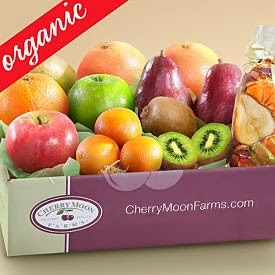
Deluxe Organic Fruit Box

How about giving the gift of good organic eats?  I really enjoy getting a fruit basket and this one is perfect with all of its organic fruit!  Yes, you can make your own for someone local, but this makes for a great gift for a friend or family member far from home.  Try this one from Cherry Moon Farms for a great edible gift.


That's my gardening gift guide for Christmas 2013.  Hope you'll find some of these goodies under your tree this year!  Blessings!

What was your favorite gardening gift?


Linked to these amazing blog parties...Waste Not, Want Not Wednesdays
Frugal Days, Sustainable Ways HomeAcre Hop

Tuesday, November 19, 2013

How Did They Grow? Reviewing Five New Garden Varieties in 2013


Every year I like to pick out new garden varieties to try out for the following season.  It keeps gardening interesting and allows me to experience different vegetables and compare them to what I am already growing.  For 2012, I chose 5 different plants that I picked based on productivity, uniqueness and compactness.  You can read my original post here where I picked them - "One Way to Beat Garden Boredom."

So here were my picks with the garden packet photo on the left and my produce on the right...


 I chose this zucchini because it was a compact plant and because it was described as having a pleasant nutty flavor.  What was the result?  I would give this squash an A+ for productivity, compactness, disease resistance and delicious flavor!
It tasted great no matter what size it grew to and we gobbled this zucchini up all summer.  I had one plant that withstood all the fungus our wet and cool summer provided and it was faithful to give us lots of zucchini!

My small amount of beans are located in the right photo, bottom middle.

This yellow wax bean caught my eye because of its unique markings and that fact that it was an heirloom made it a fun try in the garden.  What was the result for 2013?  I would give this bean a B - as it was a good tasting bean but it germinated very poorly even after two plantings.  Of course, some of this could be the season or it could have been the seed lot, but it was very spotty in germination and I had a lot of blank spaces in the garden.  The plants that did grow were semi productive.  This was a fun plant to try but I don't think it'll make it to the garden in 2014.


This little pepper plant looked adorable in the seed catalog and its little fruits were too hard to resist!  How did it grow in my garden?  Well I planted some in the garden and some in containers.  I would say they both grew equally well.  How did they fare?  I would give them a B.  They weren't as productive as the catalog photo but they did put on a decent amount for fresh eating.  I didn't get enough to can even though I grew at least 8 plants.  The taste was okay, not too sweet, the skins a little tough but not bad.  I will grow these again because I like having snack peppers to eat while working outside.  I would classify these as a novelty plant and not a heavy producer.

My Tumbling Toms got hit by late blight.
4. Tumbling Tom Yellow Tomatoes:
I grew these because I love how they are made to tumble and what fun to grow them in containers too.  The yellow variety was a nice change from the usual red tomatoes.  How did these little gems do?  These tomatoes get a C as a grade.  Unfortunately, they were difficult to germinate as well and the plants that did make it succumbed to blight and leaf spot. They managed to give me quite a few tomatoes, not as many as in the seed catalog photo, but enough to enjoy them.  Our wet cool summer wasn't a help for these tomatoes, but I am willing to try them next year hoping our summer temps next year will produce better results.  I really want to grow these as I loved growing vegetables in a vertical space.  Stay tuned to see how they work!


5. Small Wonder Hybrid Squash:
Last but not least was this smaller variety of spaghetti squash.  I grew it for its relatively compact vines but especially its smaller fruits.  It was listed to be very productive.  The result?  This one gets an A+!!  I have so many of these squash ranging in size from a softball to a small pumpkin.  They taste great and they did very well in the garden.  They held up well despite the fungal disease going on because of the wet weather and I have more than enough for winter.  I loved these and am going to include them again for 2013!  It was a rough year for many garden crops because of the weather and whatever made it through is definitely a keeper!


And that was the results of my 2013 Garden Trials.  Overall, I was very happy with my newest additions and most of them will be making a comeback in 2014.  It's great to keep a record of your garden plant varieties so you can make the best choices when it comes to planting time.  It's hard to believe, but you don't always remember what plants grew the best in your garden.

What was your favorite garden plant for 2013?

Blessings!!


Linked to these amazing blog parties.... Waste Not, Want Not Wednesdays
Natural Living Link Up Frugal Days, Sustainable Ways
Sustainable Living Link-Up 

Thursday, October 3, 2013

Eating Well in the City: West Side Market


One thing is for sure; the city offers some amazing spaces, great architecture and interesting places.  We live only 40 miles away from Cleveland and manage to go downtown every once in a while.  When we do, discovering the food it has to offer has to be top on our list. 

The food doesn't have to just come from a restaurant either.  As a matter of fact, visiting its city market is one of my favorite places to go.  With roots going back to the 1840's - this market boasts of not only great food, but is full of history as well.  I end up feasting with my eyes as well as my appetite.

It is home to over a hundred vendors and believe me, they sell everything.  It's an eater's paradise.  The variety is endless and begs of repeat visits to at least get a glimpse of all that is for sell.

This leads me to my next thought...Eating well in the city is actually easier than I would have thought.  Sure, you have to walk past all the racks and displays of cookies, pastries, cakes, and candy (it's really ok to nibble along the way) to find some vendors that offer artisan breads, cheeses, and produce.   


A city market does so much for the local economy.  It provides small businesses great opportunities to thrive and grow.  It provides an outlet for small farmers and gardeners who need to sell produce.  It encourages artisanal foods and recaptures old world methods of growing, baking, cooking and eating. 


 It also is a vast artistic display that encourages creativity not only in food but in the way we think about food.  There's no way I'm thinking about french fries and pizza here...too many other great foods to discover and explore.


It really is a center and a gathering place for young and old alike to celebrate ethnic heritages, great food and learn new traditions.

With this constant traffic flow of produce and food from the burbs and countryside, it ensures the quality of food for many urban dwellers.  I am almost thinking that it's a bit easier for them to eat well at least when it comes to having more healthful choices.  
 

I know we ate really well that day and came home with some prizes too.  With new vendors selling Black Tuscan Kale and other organic produce, I felt as if I was walking through a garden. Looks like city pavement owners have their own bit of livin' in the green as well.
 

What's your favorite town or city market space?  Blessings!


For more info on the West Side Market, click here.

Linked to these amazing blog parties... Frugal Days, Sustainable Ways ,
Homestead Barn Hop
Waste Not, Want Not Wednesdays 

Monday, September 9, 2013

Helping Monarchs: Plant Your Own Milkweed


Over Labor Day Weekend, we enjoyed a great visit to a neighboring fair.
 One of my favorite exhibits there is a parks area where all kind of natural living is exhibited, everything from choosing a great hunting dog, making maple syrup, archery and wildlife shows.  This year we happened to attend a butterfly tagging workshop for Monarchs. Like many of you, I love butterflies and try to plant as many flower varieties as I can to attract them.  I found out that this year though, the butterfly population was way down.


I found out that it was because of two reasons.  The first is loss of habitat.  That of course is understandable because of cultivation, building, herbicides and so on.  The second is because our weather pattern in the northeast last year was very dry and it led to the lack of enough plant material to host the monarchs.  So, the weather last year affected the population this year, including the monarchs overwintering in Mexico.

The naturalist showing how to tag a monarch.

How do they know about the populations and where the monarchs travel?  It comes from the tagging program.  Basically tagging monarchs is putting an ID sticker on one of their wings which doesn't interfere with their flight and helps other naturalists to track the population and it's health. Who tags them?  Anyone who would like to... I'm in.  

Obviously not everyone wants to chase butterflies with a net and place a sticker on them, so how else can we help?

Butterfly Garden at the Nature Center Display

Well, that takes us back to the first problem facing the monarchs...loss of habitat.  This is an easy remedy.  There's only one plant the monarchs need as a host plant and this is milkweed.  Milkweed comes in many different species including, tropical, swamp, showy, purple, as well as common milkweed.  
Milkweed gets its name from the white latex type sap that comes when you break any part of the plant.  This sap must be milk to monarchs because it's their number one caterpillar food of choice!

One of two caterpillars we found at our community garden.

You can help the monarch by including Milkweed in your garden space.  We don't actually plant ours because as it is a weed, it comes up by itself.  We just let it some plants come up in our community garden space for the butterflies. Remember, common milkweed is a, well, a weed.  It will get very invasive if it's left to itself in fertile soil.  So, we keep some around but weed the rest.  
This year, we actually found some monarch caterpillars on our milkweed!  Not just one, mind you, but two bit fat caterpillars!  It's the best kind of nursery to have...we really did it by not interfering with nature's process too much.  Allow a few plants to grow and bloom and let the butterflies do the rest. 

This monarch caterpillar is just about ready to pupate!

Experts suggest if you would like to grow your own common milkweed, try planting it in pots so it doesn't get take over your garden or buy some more exotic varieties that aren't quite as vigorous to reproduce.  You can find some more info here.

As for us. we have found the perfect balance by letting it grow where it's already at and enjoy helping out these amazing butterfly wonders.  Here's hoping you can help you too.

First: Identify milkweed in your area or property and allow some to grow.
Second:  Purchase some special varieties of milkweed to grow in your garden space.
Third: Plant lots of flower varieties like zinnias, marigolds and echinacea to feed the mature butterflies.
Fourth: Limit your use of any herbicides or pesticides in your garden space to encourage these winged wonders.


Thanks for reading!!  To find out more about tagging Monarchs, go to http://monarchwatch.org/
to order tagging kits and nets.  Be blessed!

Have you noticed many Monarchs in your area? 


Linked to these amazing blog hops....Frugal Days, Sustainable Ways
Homestead Barn Hop 

Wednesday, July 10, 2013

My Top Five Garden Mistakes


“Anyone who has never made a mistake has never tried anything new.” - Albert Einstein

  Whenever we start out in learning something new, we tend to make mistakes...a lot of them.  But that's ok.  That's the "learn" part in learning.  I have definitely made a large share of them in gardening over the last 20+ years either by ignoring great advice or through simply not knowing enough about the plants. While it's impossible to know everything about gardening, we can avoid a few mistakes along the way.  I'm sharing my top five mistakes and hope this will help curb the gardening learning curve for you.

Probably way too much zucchini and summer squash planted again this year!
1. Over-planting

This sounds like such a simple mistake to avoid but I have found that I've made this mistake over and over again in the veggie and flower gardens.  For some plants, it has taken me years to cut back on the amount I feel we need to grow. Why is this?  Well, one of the first temptations is...

a) Free plants - those freebies from friends or in my case, from a local nursery.  I managed to plant over 20 sage plants in my very small yard.  I love sage, but really, did I need that many plants? Now I have to manage them with pruning, weeding and harvesting.  It's good to think ahead and plan for your needs now and in the future.

b) Extra seedlings - We've all been there when we only want 20 plants but have 35 instead.  I have to harden my heart and restrict my planting to the chosen few.  The others are given away or composted.

c) Not knowing if you're planting enough - It's always great to start with a few plants if you just want to add a few fresh vegetables.  You can always add more the next year if you find it's not enough.  I've found that 20-25 tomato plants take care of our fresh eating and canning for a year depending on the weather.  I've stuck with this number and it's really helped in me managing the vegetables...unlike the few years we planted 50+ tomatoes - it was way too much for us to manage and our yields were the same as 25 plants.

d) Just because we are able to do it - When we first started planting flower beds, I thought more is better.  Now some years later, I'm wondering why  I thought I needed so many?  We've downsized over the years now and doing so has worked great for us.  We would rather plant an amount of flowers and gardens that we can maintain and keep beautiful than to over-plant and lose control of the beds.

Remember...less is more!


 2. Crowded plants

When I first started out, I was undoubtedly an overenthusiastic gardener. I wanted every plant and lots of them. So I made this mistake with perennials especially. The plants looked so sparse and bare in their flower beds.  I read the tags saying how to space them but forgot how much growth they still had to go through.  I planted many of them very close together.  

There's a saying for perennials..."the first year they sleep, the second year they creep and the third year they leap."  It's better to follow all the spacing requirements for perennials and fill in with annuals while they're still small.  You'll be shocked at how enormous some perennials can grow to...listen carefully to the planting information.  


Morning glories are beautiful but prolific seeders.

 3. Planting invasive species

Will I ever learn? I planted everything everyone gave me and I am still weeding some plants years and years later.  I am still trying to tame our south side flower bed from invasive plants including the herb oregano.  Reading up on the plants you want to put in your gardens is a must AND asking friends if a plant is a happy re-seeder or ground cover is essential.  As a matter of fact, the word "groundcover" means "invasive."  I would use it selectively in confined areas and give it it's own space.  

My mints are all in pots and this helps to keep this highly invasive plant contained.  If you do plant easy spreaders, try to limit your amount of plants and keep them pruned and make sure to get rid of their seed heads if they spread easily that way.  Chives, echinacea, perennial forget-me-nots, artemisias, morning glories, oregano (some varieties) are just a few that I am constantly weeding.  I still grow many of them but have learned to manage their growth.  Any others are sacrificed to the compost pile if I can't keep up with them.


 4. Lack of weed control

 It's so important to have a plan on how to keep down the weeds in all your gardens.  I am a fan of heavy mulching...I use coffee grounds, newspapers underneath straw and mulch, grass clippings and leaves.

I didn't get to our community garden in time to mulch and it was smothered in LARGE weeds.  After hand hoeing the whole garden, I have been very diligent in weeding once a week and continually applying mulch.  I don't mind hoeing a small area, but not a large one.  Determine your will power and garden accordingly...I know some people who enjoy weeding while I most definitely don't.

Photo Source

5. Not labeling new plant varieties 

Yes, I have been so lazy over the years with labeling and have grown some great plants only to not remember the varieties I planted.  I have been really good about saving the stores flower labels and turning them over to use the blank side and label them with a Sharpie.   So many times I thought I would remember a plant only to have completely forgotten what it was.  I also try to journal the plants I've grown and that's helped out a lot.  I now try to limit the different amounts of varieties so I don't feel overwhelmed by the labeling.  I am learning to know my gardening strengths and weaknesses.

Well...I feel better after all that confessing.  I have made plenty more mistakes and will continue to make more, but I feel like I've learned so much from other gardeners as well.  After all, making mistakes always accompanies risk...and trying new methods and plant varieties is well worth it.

What's your biggest gardening mistake??

Blessings!

Linked to these amazing blog parties...
Frugal Days, Sustainable Ways 

Wildcrafting Wednesday