Pinterest

Showing posts with label disadvantages. Show all posts

Tuesday, February 26, 2013

Seed Catalogs: Reviewing the Pros and Cons


I don't know about you, but this is the season for seed catalogs and I certainly have gotten my share this year and have been inundated in the past as well.  They do tend to pile up in numbers but their color filled pages get me to dreaming about this year's garden.

Why even order out of a catalog?  
After all, most stores carry lots of seeds this time of year.  Well, here's a look at why you may want to consider placing a seed order through the mail and the downsides as well.  


If you've never ordered out of a seed catalog, then it's pages can seem a bit daunting for sure.  But once you narrow down the staple items you're looking for, like beans, tomatoes, peppers, herbs, etc; it gets much easier.  So let's take a look at the benefits first of ordering seeds through the mail or online.

1. Choices, choices and choices!! 
  Why you do have quite a few options in the store, seed catalogs generally carry a lot more inventory and this means more choices and options for you.  This is one step closer to gardening successfully.

2. More options means finding varieties suited to YOUR growing conditions.  
 This is one huge advantage I love about seed catalogs.  Not only many varieties, but you can pick a zucchini that is a space saver and only 47 days until fruiting...this is a huge plus if you are short on space and live in an area that has a short growing season.  Stores usually carry a limited amount of vegetables and each variety may have only 3-5 choices depending on what it is.  This means that if I'm looking for an heirloom squash or more choices in certain kinds of pumpkins, I'm probably going to be very limited in what they offer.

3. It's much easier to find and buy heirloom and organic seeds. 
  If you only plant these types of seeds, then they will be much more difficult to find in a store.  Burpee does offer its own heirloom seeds, but again, their offerings are pretty limited and if organic is the only option for you, then this option may not even be in the stores.  I have to grow some hybrids because of limited space and I need disease resistant tomatoes, so I tend to use a catalog that will carry a selection of heirlooms as well.

4. You get more seeds per package. 
 What's great about most seed companies is that they will give you an approximate number of seeds in a packet.  You generally get more in them then from a packet from the store.  This is not a problem for something like eggplant, but when it comes to green beans, I want to make sure I get enough for a good planting and I always do when ordering from a catalog. 


5. You get lots of information in your catalog about each variety.  
For me this is really important.  I like the descriptions from the smaller seed companies where they give personal reviews of what they liked about a specific variety of vegetable.  For instance, "...very sweet tasting and prolific...we harvested 20 peppers from one plant."  This helps me so much when making a decision.  I feel more assured I made the right choice.  When in the store, the lack of information makes me feel like I'm taking a shot in the dark with that vegetable.  Many times it works, but it feels more stressful because they just don't tell you a lot.

6. You can actually help support seed saving. 
 If you order from the Seed Savers Exchange, then you are helping a non-profit business succeed with its vision to save heirloom varieties for future generations.  That always feels pretty good!  Also, you should be able to save the seeds of many of the varieties from there because they are open-pollinated. Buy once and plant many times again.
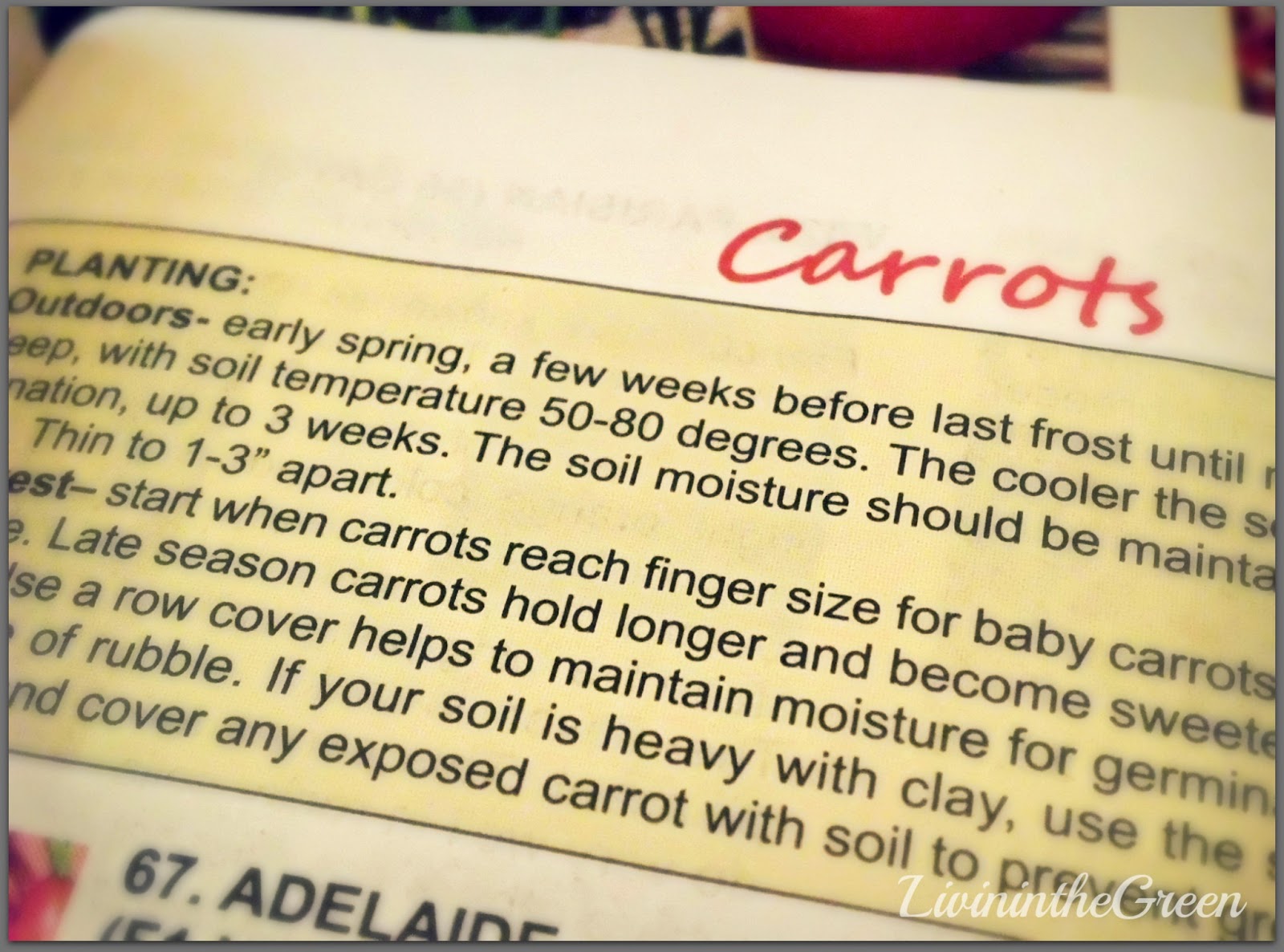


The downsides...

1. It can be expensive.  
Not only can the seed prices be a little heftier depending on what company you are ordering from, but if you add in the shipping charges, this can add up very quickly.  I do find the quality is really good with most seed companies though. If you're ordering from a catalog but don't have a large order, you may be able to share the expenses with another gardening friend.

2.  You may not be able to get all your seed needs from one catalog.  
This is where it can really hurt you.  Paying shipping one time can be bad enough, but twice?  Ouch.  I try to place an order with the company that is going to offer me the most varieties I'm looking for and use the store to supplement the seeds that I don't need to be as fussy about.

3.  It takes time to get your order. 
This is not a problem if you order early, but if you don't then you won't be able to get what you're looking for in time to grow for that season.  I've procrastinated about ordering so many times and missed out on certain vegetables I wanted to grow.  You have to be purposeful when ordering through the mail.


A few more bonuses with seed catalogs...

1. Lots of great information!  
They usually give you more planting information for a specific vegetable and then a great description of each variety.  When just starting out in gardening, I used to study seed catalogs because they are packed full of great gardening knowledge (I still study them!) I've noticed this most with the smaller specialty companies. They know that more practical information means you'll have a better garden, and they want you to do well with their seeds.  So they are generous on planting tips, how-to's and facts about different varieties.  This makes them great free resources that make junk mail pretty valuable!

2. They sometimes include recipes. 
 How great is that?  I love that they give you ideas for some of the specific foreign type vegetables too...this is a fun plus that helps you to want to experiment with different varieties than what you may be used to.

3. They can make your garden much more successful.  That's right.  With all the great information, they can help you choose varieties suited for your particular growing zone and region.  The more specific you plant to your growing area the better your harvest will be.  For example, they will often tell you what kind of onions to grow if you live in the north as opposed to the south.  They will often recommend varieties that have been proven to grow well in certain zones too.  This helps so much if you're a new gardener or are trying to grow a new vegetable that you've never tried before.  You typically don't find this information in a store display of seeds.

Cook's Garden


So, there you have it...just a few things to think about when considering ordering online or from a catalog.  I always order online from the paper catalog as I like reading from a paper copy better than trying to read everything online.  However, you may find navigating a web page a bit easier than a catalog.


I personally am hoping paper catalogs never stop as they are great to pick up and hold and pass along to a friend and gardener.

What's your favorite seed catalog?

Blessings!


Linked to these amazing blog parties... Waste Not, Want Not Wednesdays
Wildcrafting Wednesday Seasonal Celebration Wednesdays
The Country Homemaker Hop The Homeacre Hop
A Sustainable Living Link-Up Natural Living Mondays
Homestead Barn Hop 
The Backyard Farming Connection
Frugal Days, Sustainable Ways Simple Lives Thursday
Farm Girl Blog Fest 

Tuesday, February 12, 2013

Community Gardens: A Few Things to Consider

Photo Source

Apartment dwellers, gardeners with limited space, people who are looking to share their garden experiences and new gardeners can all benefit from a community or a shared garden.  We've been a part of shared gardens for years before we got a plot at a new community garden in our area.

Our first shared garden experience involved driving a good 20-25 minutes to even get there.  A friend of ours shared a few rows of their garden space with us because we wanted to expand our tomato crop.    We learned a few things from sharing the space that helped us as we eventually gardened with another friend some years later even farther away from us!  Our community plot is only about 5 minutes down the road and has obviously worked the best for us.  

So here's a quick look at the upside and downside of sharing a garden space.


Our very small backyard garden

Why even consider community or shared gardens?

Lack of space, space, space!!  That is the reason that prompted us to look outside of our own space at first.  We actually wanted to grow lots of tomatoes to preserve, so we were looking to plant more. Having much more room to plant means opening up your options for more variety of vegetables.

To keep your yard freed up for other uses.  We know one gardening family that have a very large yard, but it bordered on a woods and the deer ravaged it year after year. For them, it was easier to grow it off premises and keep their yard wide open for their two young daughters.  

To learn from other gardeners.   Our second shared gardening experience was with a senior who had been tilling the soil for years.  He not only shared garden space with us, but also introduced us to new varieties and shared his growing wisdom as well.  It's amazing how much we don't know about gardening at times, and being able to talk to others who are planting in the same soil conditions helps a lot.  Seeing other people's plots in a community garden gives you new ideas for setting up your own garden space too.  I always study what others are doing and copy what looks like is working for them. 


 Some advantages of shared or community gardening:


Bonus Plants: No matter where we gardened, we always enjoyed bonuses...plants being one of them.  A community garden is an easy place to share, swap and exchange plants with others growers.  Our community garden has a covered shed where extra plants are available for those in need.  One year we were given a bunch of hot peppers.  We didn't want to grow too many so we gave our extras to some Hispanic gardeners who were happy to take them off of our hands.  We also were able to plant extras or left overs from other people's gardens which gave us some different veggies to try without any money risk of our own.  It's nice to share and trade, it creates a great way to get to know other gardeners.

Bonus Vegetables: Last year, we were able to give away our zucchini extras and allow other gardeners to try an heirloom variety that they found out they loved!  We often would harvest vegetables and either give away or trade for something we weren't growing.  We got a spaghetti squash last year for some winter squash, giving us a break from the overload of produce.  We still had more than plenty for fresh eating and preserving.  We like to grow an abundance so we can give it away as well...

Bonus Friendships: Our community garden is located behind a large local church and we were able to reconnect with friends from there and meet different people around us.  It's always great to cultivate new friendships.


The Disadvantages?


Traveling to your garden.  This means you have to carry your tools with you unless your community or shared garden offers storage or shared tools.  


Having to be more organized about working in the garden.  It's important to work in the garden 2-3 times a week in the beginning of planting, to water and weed.  If not - weeds will quickly wreak havoc in your garden.  Once the garden is established, we usually go once a week to water if needed and to keep up with weeds. We need to go more often once harvest begins. Sometimes it's easy to forget a garden, so planning on what days to go is crucial. 

Following the community garden's rules.  Every  community garden needs rules in order to keep peace and structure.  It's important to be supportive of the rules and guidelines in order to respect and honor the vision of the garden.  You will want to be on friendly terms with other growers and know if its vision will be compatible with your gardening beliefs.  Also, you will want to consider if you're willing to compromise in any area.

Having to adjust to different growing conditions. I thought I knew a lot about gardening until we started gardening in other places.  All of sudden, we had to deal with different soil conditions, sometimes different frost zones, different plant diseases and especially different insect pests.  In our community garden, we planted tomatoes but were flanked by potato growers.  This caused a huge surge in the potato beetle population which in turn worked on devouring our tomatoes and ruining our eggplant.  Also, the soil was so sandy that our first crop of green beans plants were the size of a full grown green bean.  We were ready to give up, but found that other crops that didn't do well at our house were thriving at this garden.  So we gave up on the tomatoes, (grew them successfully again at home) but planted root crops for a few years until we built the soil up.  So this I look at a disadvantage, but also as an advantage.

A few more tips to consider:

Be purposeful about what you plant.  Vegetables such as green beans, and onions can easily get lost in weeds AND it can happen fast.  If you only want to visit your garden once a week, these crops won't do as well.  I'm speaking this from experience! We grow lots of summer and winter squash as they are much easier to keep up with and grow better at the community garden than in our backyard space.

Consider mulching to conserve water and suppress weeds.  We mulch heavily with black and white newspaper topped with straw to keep up with the never ending weeds.  Shredded leaves are another great resource.


Overall, our shared gardening experiences have been well worth the extra work.  We are able to grow abundant vegetables there that the insects will ravage a few miles away and it's been working for us for a number of years now. This is a great bonus when gardening without using pesticides.

Even if you have plenty of space to garden, you may want to consider garden lending to help someone else out.  If you do, it would be important to establish rules and guidelines in order to maintain your relationship with those who are gardening with you.  It's a great way to teach a new gardener too and pass on valuable information to others in your community.

Have you ever gardened with someone else or in a community garden?  What was your favorite experience from it?


Linked to these amazing blog parties...  Waste Not Want Not Wednesdays   
Wildcrafting Wednesdays
Seasonal Celebration Wednesday 
Country Homemaker Hop
Frugal Days, Sustainable Ways Valentine's Day Boost My Blog Party!
Simple Lives Thursday Small Footprint Fridays
Farmgirl Friday Homestead Barn Hop
Living Green Tuesdays Backyard Farming Connection
The Homeacre Hop Natural Living Link-Up